

Sabrina Carpenter thanks fans for #1 album: 'Luckiest girl in the world'
Sabrina Carpenter took to Instagram on Wednesday to thank fans for sending her new album, Man's Best Friend, straight to #1 on the Billboard 200.
"you guys have made Man’s Best Friend my second #1 album and my highest debut ever. that is very surreal!!!" she wrote, alongside a collection of behind-the-scenes photos and video of the making of the LP.
"i feel so lucky to have such beautiful love and support all around me. making this album with Jack [Antonoff], Amy [Allen] and John [Ryan] was one of the most pure wholesome electric times in my life and to see the way you are all resonating with it just makes me feel like the luckiest girl in the world," she continued.
"Thank you for listening (top to bottom!!!) and thank you for bringing this album into your lives and having such a damn good time with it, I’m having fun too :’)," she concluded. "i love you i love you i love you."
On her Instagram Story, Sabrina also marked the anniversary of the release of her single "Skinny Dipping," which came out Sept. 9, 2021 — several years before she became a global pop superstar. "4 years since skinny dipping making me emotional!" she noted, along with a still from the song's video.
In addition, Sabrina reposted TikToks from fellow musicians who are having fun with some of the songs on the new album: Joe Jonas made one set to her song "Nobody's Son," while the group HAIM used "House Tour" for a video set on their tour bus. Alex Warren's wife, Kouvr, used "When Did You Get Hot?" to show her and Alex's glow-up for the MTV VMAs.
Source- ABC

Behavioural Health Services Observes World Suicide Prevention Day
The Department of Behavioural Health Services (DBHS) joins the global community in observing World Suicide Prevention Day under the theme “Creating Hope Through Action.”
This year’s observance is part of DBHS’ national “Shift Your Mind: Reframing Mental Health in TCI” Anti-Stigma Campaign, which focuses on changing perceptions around mental health, reducing stigma, and fostering a culture of compassion and support.
Suicide remains a deeply urgent public health issue, touching families, workplaces, and communities across the world. In the Turks and Caicos Islands, the Department is calling on residents, businesses, and community leaders to come together in recognizing the signs, starting conversations, and taking action that could save a life.
Activities for World Suicide Prevention Day 2025 include:
Graceway “Pockets of Hope” Giveaway: Shoppers at local Graceway supermarkets will receive small, uplifting tokens designed to remind individuals that hope is always within reach.
Health Matters Television Feature: On Monday, September 8th, the DBHS team appeared on Health Matters to share practical guidance on suicide prevention, highlight available resources, and encourage open dialogue on mental health.
Community Awareness Drive: Key messages will be shared across social media, radio, and community spaces to highlight risk factors, warning signs, and local resources.
Dr Alicia Malcolm, Director of the Department of Behavioural Health Services, emphasized the importance of unity in prevention:
“Suicide prevention is not the responsibility of one person or one agency. It is the responsibility of all of us. Every life matters, and every conversation can make a difference. When we choose compassion over silence, we help create the kind of community where hope can grow.”
Minister of Health and Human Services, reinforced the Government’s commitment to protecting the well-being of its people:
“Our government is steadfast in ensuring that mental health is treated as a national priority. On this World Suicide Prevention Day, we stand with every family who has felt the pain of loss, and we renew our pledge to build a future where support is accessible, stigma is dismantled, and no one feels alone in their struggle.”
The Department reminds the public that help is available. If you or someone you know is experiencing thoughts of suicide or emotional distress, please contact the Department of Behavioural Health Services.
For Providenciales, North Caicos and Middle Caicos, call 338 3616
For Grand Turk, Salt Cay and South Caicos, call 338 3613
This World Suicide Prevention Day is not only about awareness. It is about action, taking the small steps that remind someone they are not alone, that their life matters, and that there is a community ready to stand with them.
Bahamas Government reduces VAT on a number of products
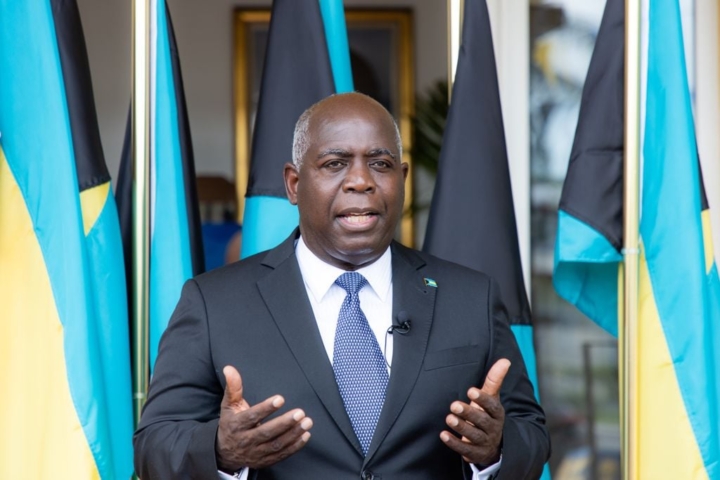
Prime Minister Phillip Davis says as a result of the Bahamian economy growing stronger “and government finances are on a sounder footing,” the value added tax (VAT) on a number of products has been reduced from September 1.
In a statement, Davis said that his administration has reduced by 50 per cent, the VAT on a range of essential items, such as medicines, medical supplies, feminine hygiene products, and baby and adult diapers.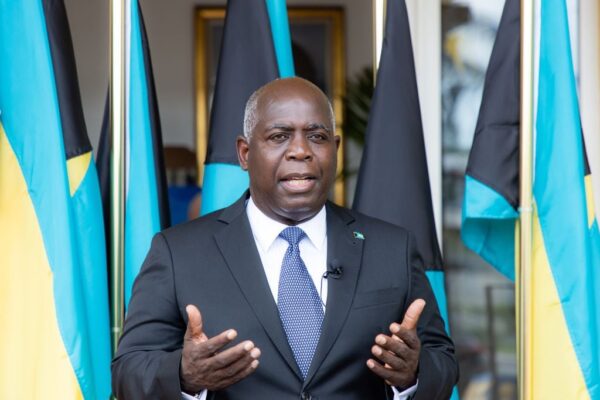
“Medicines will now cost less at the pharmacy. Parents are now paying less for baby supplies. Women are now paying less for feminine care products. Families caring for elderly loved ones are now paying less for adult diapers. Reducing VAT to five per cent on these essential items is about easing the pressure on households who need it most,” Prime Minister Davis said.
He said that “this relief is possible because the economy is stronger and government finances are on a sounder footing” and that “as revenues grow and debt comes down, we are making life more affordable for Bahamian families.
“This progress is the result of choices we made to rescue the country from crisis and to drive a strong recovery. But our goal has never been recovery alone. Our mission is to build a bigger, more inclusive economy where economic gains are broadly shared.”
Davis said that this is why his government is expanding opportunities on every island of the archipelago, creating more jobs, supporting entrepreneurs, investing in roads, docks, and airports, modernizing our electricity grid, and preparing Bahamians with education, training, and upskilling so they can succeed in the current economy.
“Our continued efforts and focus are to build on this progress, widening the circle of opportunity, lowering costs for families, and ensuring growth reaches every island and every community,” Davis added.
Source- CMC

Explosion heard in Qatar's capital as Israel says it carried out strike on Hamas
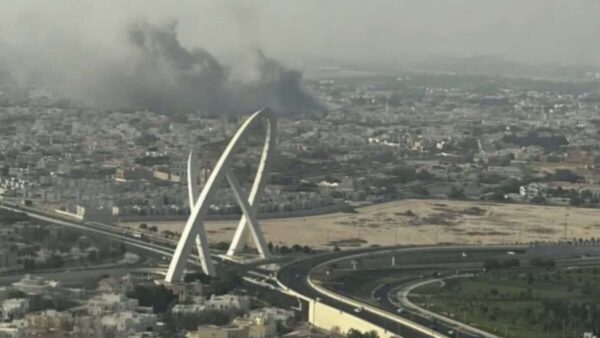
Israel's military said Tuesday it carried out an airstrike targeting Hamas leadership, without saying where.
The announcement came as an explosion could be heard in Doha, Qatar's capital.
Al Jazeera, the Qatar-funded broadcaster, acknowledged the blasts. However, it didn't say what caused the blast. Qatari officials couldn't be immediately reached for comment.
Hamas' exiled leadership has long been based in Qatar, which has served as a mediator in talks between Hamas and Israel for several years, even before the latest war in the Gaza Strip.
A strike on its top leadership could further complicate negotiations over a ceasefire in Gaza and the release of hostages taken in the Oct. 7, 2023, attack by Hamas.
Source - CBC

Bahamasair pilot fired following cockpit incident
The state-owned Bahamasair has confirmed that one of its pilots with 12 years experience with the company, and who was involved in a recent cockpit incident has been relieved of his duties following an investigation.
“Passenger safety and professional integrity remain our highest priorities. This incident was addressed thoroughly and transparently, and it is not reflective of the professionalism, discipline, and dedication of our outstanding team of pilots who continue to serve the traveling public with distinction,” Bahamasair managing director, Tracy Cooper, said in a statement.
“Going forward, we will continue to reinforce our cockpit management protocols, strengthen leadership development, and ensure that all employees uphold the values and standards expected of a national carrier.”
Bahamasair said that the incident occurred on August 31 involving an ATR turboprop aircraft, operating on a scheduled flight from Nassau to Marsh Harbour, Abaco, with continuation to West Palm Beach, Florida.
“The flight departed Nassau without issue. However, upon arrival in Marsh Harbour, the first officer advised the airline’s operations control center of a concern regarding cockpit dynamics and recommended, in the interest of professional standards, that the flight not proceed until the matter was reviewed.
“Bahamasair Flight Operations Management acted promptly and responsibly, relieving both flight crew members of duty in accordance with standard industry practices. Relief pilots were immediately dispatched to Marsh Harbour, and the flight continued to West Palm Beach without further incident.”
Bahamasair said that a formal debriefing was scheduled for the following day and that prior to the debrief it “received voice messages determined to be from the captain in question, which were found to be inappropriate and inconsistent with the airline’s professional standards.
“Bahamasair maintains a zero-tolerance policy toward any form of intimidation or unprofessional conduct. While no safety issues were reported during the flight, the airline views this matter with the utmost seriousness. The Captain involved has since been relieved of his duties and is no longer employed with the airline,” Bahamasair said, reaffirming its commitment to maintaining the highest standards of safety, professionalism, and accountability.

Source-CMC
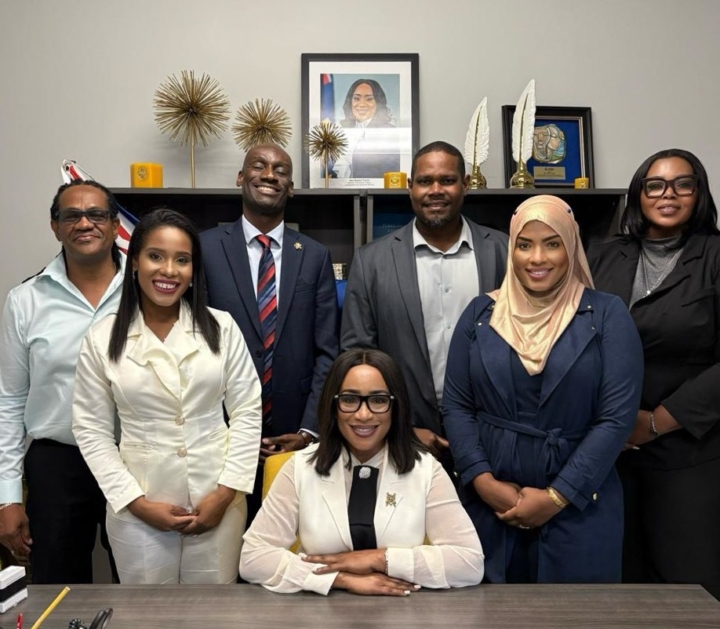
Ministry of Education Partners with WizdomCRM to Launch Stock Market Game in Schools
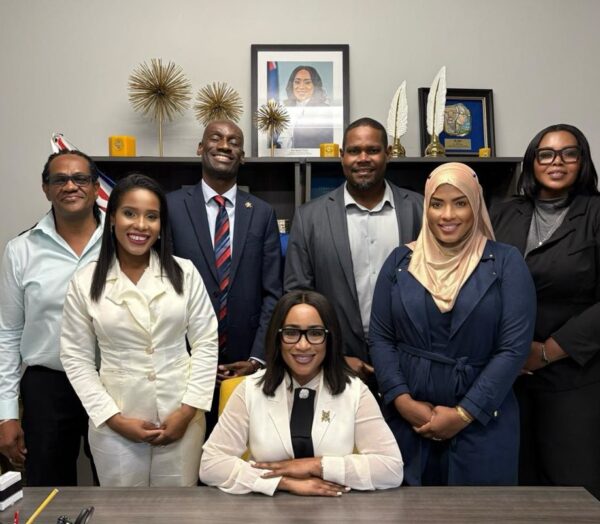 The Ministry of Education, Youth, Sports, and Culture is pleased to announce its partnership with WizdomCRM Caribbean Limited for the implementation of the Sustainable Virtual Stock Market Game, a pioneering initiative that combines artificial intelligence (AI), gamified learning, and financial literacy education to prepare students for success in the 21st-century workforce.
The Stock Market Game AI Platform provides students with a virtual investment of USD $25,000.00 to learn how to save, budget, and invest using real-time stock market data. This dynamic tool empowers students to develop essential skills in financial management, sustainable investment, and critical thinking while competing in an inter-regional competition involving more than 14,000 students from Trinidad and Tobago, Guyana, Barbados, Jamaica, and now, the Turks and Caicos Islands.
Targeted at 3rd, 4th, and 5th Form students, the program will run in participating schools from October to December 2025, culminating in a prize-giving ceremony in January 2026 to recognise the winners of the Stock Market Game.
Training sessions officially began on Monday, 1 September 2025, following the arrival of the WizdomCRM delegation. Visits have since been conducted at Raymond Gardiner High School (North Caicos), Marjorie Basden High School (South Caicos), H.J. Robinson High School (Grand Turk), as well as engagements with 3rd–5th Form students across both public and private schools on Providenciales.
In addition, parents will be engaged through virtual sensitisation sessions in November 2025, further strengthening home–school partnerships in support of this initiative.
Hon. Rachel M. Taylor, Minister of Education, Youth, Sports, and Culture, welcomed the program, stating:
“The launch of the Sustainable Virtual Stock Market Game marks an important milestone for education in the Turks and Caicos Islands. By integrating artificial intelligence and financial literacy into our classrooms, we are equipping our students with the tools and knowledge to thrive in a rapidly evolving global economy. This initiative not only supports academic excellence but also fosters critical life skills such as decision-making, problem-solving, and responsible investment. I commend WizdomCRM and our partner Rubis Turks and Caicos for working alongside us to make this vision a reality, and I look forward to seeing our students excel in this exciting regional competition.”
The Ministry of Education has identified this programme as a strategic priority, advancing financial literacy, entrepreneurship, and 21st-century skills in alignment with the Government’s broader mandate to prepare students for lifelong success.
ANDY MISSICK APPOINTED JUVENILE MANAGER
The Office of the Deputy Governor is pleased to announce the appointment of Mr. Andy Missick as Juvenile Manager within the Department of Rehabilitation and Community Services, Ministry of Public Safety and Utilities.
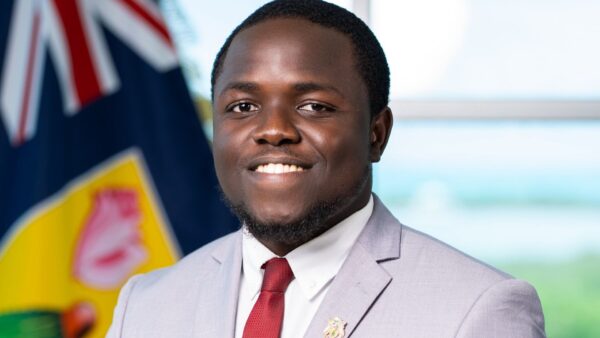
Mr. Missick, a graduate of the Turks and Caicos Islands Community College with a Bachelor’s Degree in Social Work (Honours), has served as a Social Worker, Probation Officer, and Registration Officer. He has also completed professional training in rehabilitation practices, including Cognitive Behavioral Therapy, counseling, conflict resolution, and reintegration planning.
Beyond his professional work, he is known for his youth leadership and community service. He currently serves as the Male CARICOM Youth Ambassador, a Youth Parliamentarian, and has represented TCI at several international forums. He is also the President of the Rotaract Club of Providenciales, where he has been an active volunteer for seven years.
On his appointment, Mr. Missick shared his deep commitment to youth empowerment, saying: “This is more than a role; it is a calling to stand in the gap for our youth… I believe in second chances, opportunity, and guiding our young people to become the leaders of tomorrow.”
Deputy Governor Anya Williams congratulated Mr. Missick, stating:
“The Juvenile Manager plays a critical role in shaping the future of our islands by supporting and rehabilitating at-risk youth.
Mr. Missick’s passion, experience, and proven leadership make him an excellent choice for this important position.”
PM Holness creates history as Jamaica Labour Party wins general elections
Prime Minister Andrew Holness became the first political leader to win three consecutive terms in office as the Jamaica Labour Party (JLP) won the general elections albeit with a significantly reduced margin.

In the 2020 general election, the JLP had won 49 out of the 63 seats at stake in the Parliament, but according to the preliminary figures released by the Electoral Office of Jamaica, the party won 34 seats as against 29 for the main opposition People’s National Party (PNP).
More on this story later.
Vision Ridge Partners Acquires Turks and Caicos Islands Electric Utility
Vision Ridge Partners (“Vision Ridge”), a global sustainable real assets investor, today announced that funds managed by Vision Ridge have acquired FortisTCI Ltd. (the “Company”), the electricity utility company serving the Turks and Caicos Islands (“TCI”). Terms of the transaction were not disclosed.
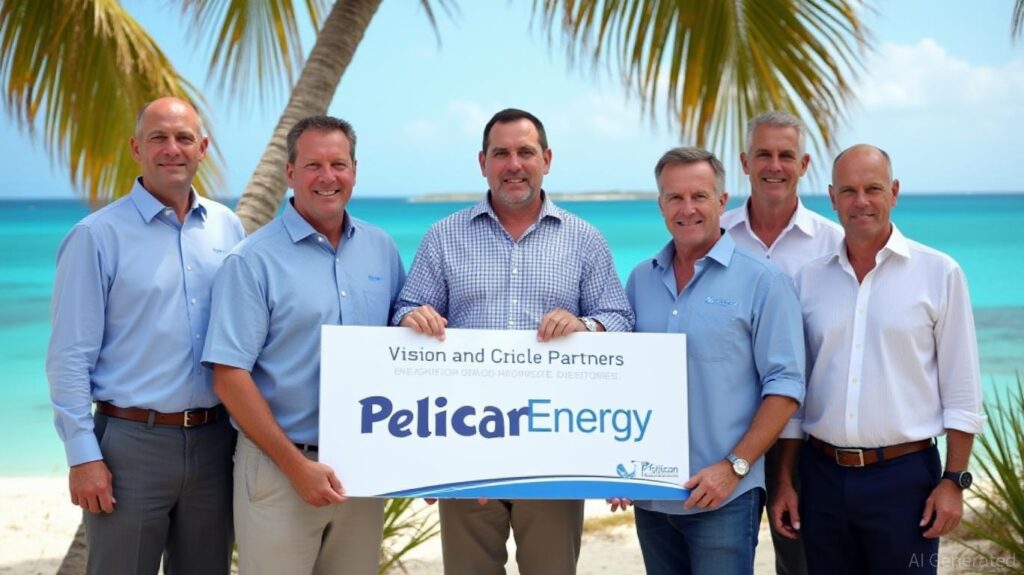
In connection with the ownership transition, the Company has rebranded as Pelican Energy TCI, reflecting its renewed focus on building a more sustainable and resilient energy future for TCI. With the support of Vision Ridge, the Company will continue to provide safe, reliable electricity service to its customers while seeking to improve its generation mix and grid infrastructure to meet TCI’s evolving economic and energy landscape.
“We are pleased to lead the next phase of Pelican Energy TCI’s growth and infrastructure advancement at a pivotal point in TCI’s power demand growth trajectory,” said Reuben Munger, Founder, Managing Partner and Chief Investment Officer of Vision Ridge. “We believe that the Company is well positioned to strategically improve its generation mix to meet this demand and to help ensure the reliable delivery of sustainable power on TCI for future generations. We and Pelican Energy TCI’s management are excited by the opportunity to closely collaborate with the TCI government as well as all Company stakeholders and the TCI community at large to effectively meet the increasing needs of local energy consumers.”
“Vision Ridge brings extensive experience investing in, leading, and transforming critical and complex energy solutions businesses across different geographies, and we look forward to this new chapter as Pelican Energy TCI with their partnership,” said Ruth Forbes, President and Chief Executive Officer of the Company. “As Pelican Energy TCI, we look forward to continuing to maintain the highest standards of safety and service excellence for our customers, while helping to address the long-term power needs and energy security of the Turks and Caicos Islands.”
Vision Ridge has a history of supporting a range of energy companies operating in different geographies, including wholesale power supply companies, solar developers, energy efficiency and storage businesses, as well as thermal generation, waste-to-energy, and renewable natural gas providers. Since its founding in 2008, Vision Ridge has invested in 26 companies across energy, transportation and agriculture, including 10 energy industry companies at various stages of development, such as GSSG Solar, Key Capture Energy, Vanguard Renewables, Guzman Energy, and Earthrise Energy.
CDB warns that economic instability a mechanism for transmitting global risks
The second wider Caribbean Regional Risk Conference began here on Wednesday with regional countries being told economic instability is a channel through which global risks are transmitted and amplified, deepening their roots and cascading across the region.
“Crises that begin elsewhere land swiftly on our shores, turning geopolitical uncertainty into food insecurity, financial market tremors into budget crises, and inflation abroad into pressure at the kitchen table for many of our people,” the President of the Barbados-based Caribbean Development Bank (CDB), Daniel Best said as he delivered the feature address at the two-day second wider Caribbean Regional Risk Conference here.
He told the more than 1,400 delegates attending the event being held under the theme “Building a Resilient Wider Caribbean Region: A Collective Vision for Integrated Risk Management in a Changing World,” that this fragility is not standalone.
“It is intertwined with the climate crisis, which tightens the grip of debt and magnifies every shock. Flooding destroys infrastructure. Hurricanes halt tourism. Droughts reduce output. Each disaster strains fiscal space and makes economic recovery harder.”
Best said that this is the trap the region must escape, noting that “because without economic resilience, there can be no sustainable development.
“And without a strong, vibrant, and inclusive economy, we will remain vulnerable to every storm, whether meteorological or financial,” he said, adding that social inequality is a third risk which the region has to confront.
“In our region and across the world, inequality is quietly eroding trust in institutions and slowing our progress toward sustainable development.
It is a silent crisis. But its effects are loud, corrosive, and deeply felt. When children are denied access to quality, equitable education, their potential is stifled, and our future workforce is diminished. And when young people, women and men alike, cannot find decent work in our region, frustration grows, talent is wasted, and innovation stalls.”
Best said that if any individual is excluded from healthcare, the cost is borne by everyone through rising public spending, weaker productivity, and declining community wellbeing.
“If women, persons with disabilities, indigenous peoples, and marginalized communities are locked out of opportunity, we lose the creativity, dynamism, and diversity that fuel inclusive growth of our region.
“Friends, inequality multiplies every other risk we face. It leaves some communities over-exposed and under-protected and deepens vulnerability in the face of climate shocks and economic instability. It limits the reach of our economic growth. And it undermines the very resilience we seek to build.”
The CDB president said that in fact, the 2025 Global Risks Report warns of a troubling trend, a rise in social fragmentation, mistrust, and growing pessimism about the future.
“People across the world are losing faith in public institutions and economic systems. And where inequality festers, social cohesion breaks down creating fertile ground for discontent, disengagement, and disillusionment.
“We cannot afford to lose our people to pessimism. We need the talents and contributions of all our citizens. Our people have always been our greatest asset,” he said, recalling that at the CDB’s 55th Annual Board our Governors meeting, he spoke about the focus on building regional institutions to address these challenges.
“An unequal Caribbean cannot withstand the polycrisis of our time. And the danger is the longer inequality persists, the harder it becomes to chart a united course through crisis. If we are serious about sustainable development, then equity must be our compass.”
Best said that as the region confronts the growing web of risks threatening the wider Caribbean region, “we must also confront the urgency for us to do things differently. We cannot afford to respond to interconnected crises with disconnected strategies.
“Too often, our development responses are fragmented, designed in isolation, implemented in silos, and misaligned with the complexity of the challenges we face” he said, asking the question, “how do we fix it?.
He said first there is need for policy coherence.
“We must align climate, economic, and social policies so that they reinforce each other. That means embedding climate resilience into fiscal planning, ensuring that national budgets account for disaster risk and environmental sustainability.
“It also means designing social protection systems like cash transfers and unemployment insurance that can scale up during climate shocks, so that vulnerable populations are not left behind. These measures allow us to have real impact on the ground, reduce duplication, improve efficiency, and build long-term resilience.”
He said, secondly, effective risk management requires countries to break institutional silos, saying that ministries of finance, education, health, and environment must come together proactively before a crisis in everyday for planning and policy design.
“Our development partners, too, have a critical role to play in facilitating joint programming, pooled funding, and harmonised implementation. We must lead by example and work collaboratively through joint partnerships to support our region.”
Best said that data and risk mapping is also vital, noting that integrated data systems help visualize how these risks overlap and where vulnerabilities are hidden.
“In the Caribbean, we need to overlay flood-prone areas with poverty maps, and match climate risk exposure with public infrastructure spending and revolutionize how we target social protection, allocate resources, and build early warning systems.
“We lack the integrated geospatial data and analytics infrastructure we need to make informed cross-sectoral decisions and that must change. Because what we cannot see, we cannot measure and therefore, we cannot solve.”
Best said that local communities are the wider region’s greatest source of wisdom, resilience, and innovation. He said whether it’s indigenous knowledge about shifting weather patterns or grassroots experience in disaster response, communities across this region are best placed to define solutions that work.
“ So, we must create genuine structures to engage them as partners from the very start. This is how we bank on our own, build trust and strengthen resilience,” he said, adding that traditional funding models simply do not meet the scale or complexity of today’s risks.
“We must tap into innovative financing sources, and develop more models for blended finance, concessional financing, green bonds, and resilience-linked resources and instruments that crowd in capital and deliver triple-bottom-line returns: economic, social, and environmental. “These tools give private investors the confidence to co-finance renewable energy, digital infrastructure, and small business growth. And we must ensure that financing is deployed through a lens of equity and justice.”
Best told the two-day event being sponsored by the CDB, the Caribbean Catastrophic Risk Insurance Facility (CCRIF) and the Development Bank of Latin America and the Caribbean (CAF), crises like climate change, pandemics, and economic shocks do not respect borders. “By deepening regional coordination, we can pool resources, share infrastructure, and harmonise policy frameworks across countries. We must continue to invest jointly in disaster preparedness, renewable energy, and social protection systems that are stronger because they are shared.
“Friends, the path forward is clear, but it won’t be easy. If we are to navigate the era of polycrisis, then we must quickly abandon fragmentation, and embrace this integrated approach.”
He said that the CDB is working hand-in-hand with countries, with regional institutions, and with global partners like CAF, the World Bank, and the Inter-American Development Bank improving delivery, lowering transaction costs, and reducing fragmentation, particularly in fragile and complex settings.
He said that over the next five years, the bank is committing at least 3 per cent of all approvals to climate adaptation and mitigation.
“ And under our largest ever Special Development Fund, totaling US$460 million, we are going even further, aiming for 40 per cent climate financing.”
He said to strengthen our pipeline of bankable climate projects, the CDB has approved a new Project Preparation Facility, securing an expanded GCF accreditation from US$50 million to US$ 250 million, “allowing us to support larger, more impactful interventions across the region.
“We are also working with the Green Climate Fund to establish a Regional Platform for Catalysing Climate Action, an initiative focused on accelerating the sustainable energy transition, scaling up climate finance instruments, supporting youth capacity building, and
Enabling deeper regional connectivity.
“We are putting climate resilience at the heart of Caribbean development. And on the global stage, we will not relent in our advocacy and recommendations. We will continue to champion a fundamental reimagining of international financial architecture, one that reflects the realities of our small island economies and the urgency of our development needs,” Best said.
Source- CMC