When gang members set fire to the FIFA Goal Center in Port-au-Prince, Haiti earlier this year, they destroyed more than a football facility, they burned down a symbol of hope for the country.
For years, the center served as the heart of youth sports in Haiti, a place where young athletes trained, competed, and dreamed of one day wearing the national jersey.
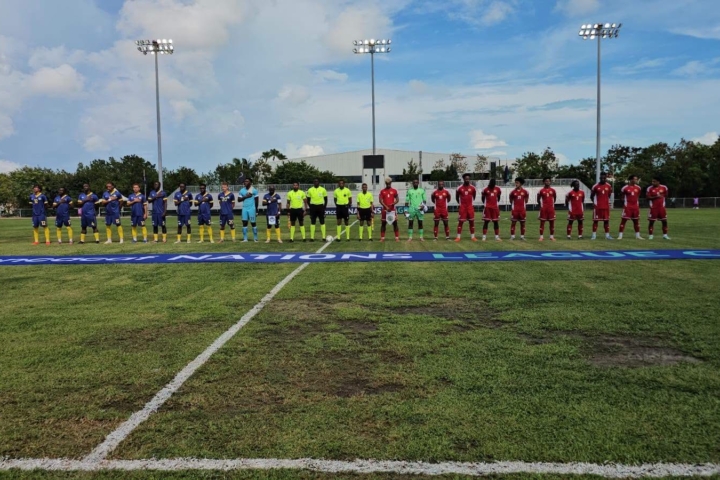
Just months before the attack, the Haitian national team defeated Nicaragua in a World Cup qualifier, securing the country’s place in the tournament for the first time in more than 50 years.
The victory sparked rare scenes of celebration across Port-au-Prince, and for a brief moment, football united a nation weighed down by violence, political instability, and humanitarian crisis.
With insecurity worsening at home, the national team has been forced to train abroad.
Haiti has qualified for the FIFA World Cup twice (1974 and 2026) and is the only Caribbean nation to have done so. Haiti has participated seventeen times in CONCACAF’s premier continental competition, it is the only Caribbean team to have won a title, winning the CONCACAF Championship in 1973.
Haiti falls in Group C of the World Cup 2026 which consists of: Scotland, Morocco, and Brazil.
Haiti will play their first World Cup match on June 13th against Scotland.
According to the United Nations, gangs now control as much as 80 to 90 percent of the capital, including areas surrounding some of Haiti’s most important sporting venues.
Among them is Sylvio Cator Stadium, the historic home of Haitian football. The national team trained there for decades, including its only previous World Cup appearance in the 1970s.
Today, the stadium serves a very different purpose.
As armed groups tightened their grip on the capital following the 2021 assassination of President Jovenel Moïse, the venue became a shelter for families displaced by gang violence.
Gangs now control key roads into and out of Port-au-Prince, restricting the flow of essential supplies and deepening Haiti’s hunger crisis.
In many parts of the country, fear has become part of daily life.
And even the game that once brought people together has not escaped the violence.