Based on current trends, and despite measures implemented to reduce the impact of non-communicable diseases (NCDs) and address their risk factors, Caribbean countries will not meet the goal of reducing NCD deaths by 25 per cent in another 10 years, a Pan American Health Organization/World Health Organization (PAHO/WHO) official has warned.
It is against that background that health leaders from throughout the Caribbean, including the TCI, are meeting in Barbados with representatives of United Nations agencies, collaborating agencies from Canada and the United States, development banks, academia and civil society to discuss actions that can be taken to reduce the impact in the Caribbean of NCDs.
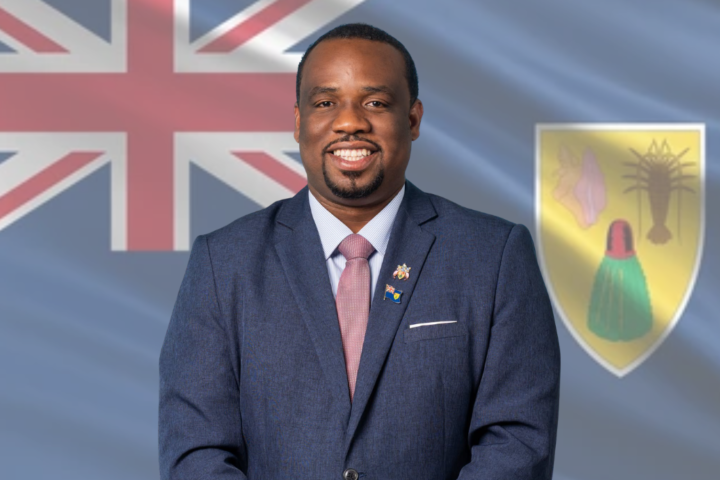
The TCI team is headed by the Premier Hon Dr. Rufus Ewing, who holds responsibilities for Health and Human Services and includes Permanent Assistant in the Premier’s office, Mrs. Darlene Clearvaux-Forbes and Ms. Charlene Higgs, Health Educator and National Communicable Disease focal point.
In 2012, Caribbean countries joined other PAHO/WHO Member States in endorsing the goal. Since then, Caribbean governments have been implementing measures addressing NCDs,; and premature mortality from NCDs has started to decline, but not fast enough to be on target to reach the 2025 goal.
“We need to intensify the public policy and health service response if we want to reduce the burden of NCDs and their risk factors on individuals, families and societies and prevent an even greater burden in the future,” Anselm Hennis, director of PAHO/WHO’s Department of Chronic Diseases and Mental Health, told those attending the ‘Forum of Key Stakeholders on NCDs forum: “Advancing the NCD agenda in the Caribbean’ which has been organized by PAHO/WHO in collaboration with Barbados’ Ministry of Health.”
“Current trends clearly show that the Caribbean countries will not achieve the 25 per cent relative reduction in premature mortality due to NCDs by 2025, if we continue the business-as-usual model,” Hennis added.
Compared with other sub regions of the Americas, the Caribbean has the highest rates of premature death (among people ages 30 to 69) from the four major NCDs: cardiovascular disease, cancer, diabetes, and chronic respiratory diseases.
In addition, NCDs are a major cause of suffering and disability, which, combined with direct and indirect economic costs, places a heavy economic and social burden on families, communities, health systems and economies.
Discussions during the two day forum, which began Monday, will focus on how to reduce the impact of NCDs by addressing their main risk factors, by strengthening health systems and improving care for NCDs, and by engaging sectors beyond health to support and participate in efforts to tackle NCDs.
“Healthier lifestyle choices are not simply a matter of individual choice,” said Hennis. “We really must impact the social, economic, cultural and living conditions through whole-of-government and whole-of-society actions to make the healthy choice the easier choice.” He added.
Among specific areas to be discussed at this week’s meeting are: the role of legislation and regulations in modifying unhealthy environments and reducing exposure to tobacco, harmful use of alcohol, unhealthy diet and physical inactivity – the top four NCD risk factors; multi-sectoral action; a comprehensive health-system response to NCDs that includes prevention and affordable access to health care, in the context of universal access and universal health coverage; innovative ways to efficiently and sustainably finance health systems and especially their response to NCDs and related risk factors, given the rising costs of care; and strategies for ensuring that NCDs remain a high priority on the Caribbean political agenda.