Representatives of the Turks & Caicos Islands Government attended the 19th Conference of Commonwealth Education Ministers (“19CCEM”) in Nassau, Bahamas on 22nd – 26th June 2015. The conference had its official Opening Ceremony on Tuesday 23rd June.
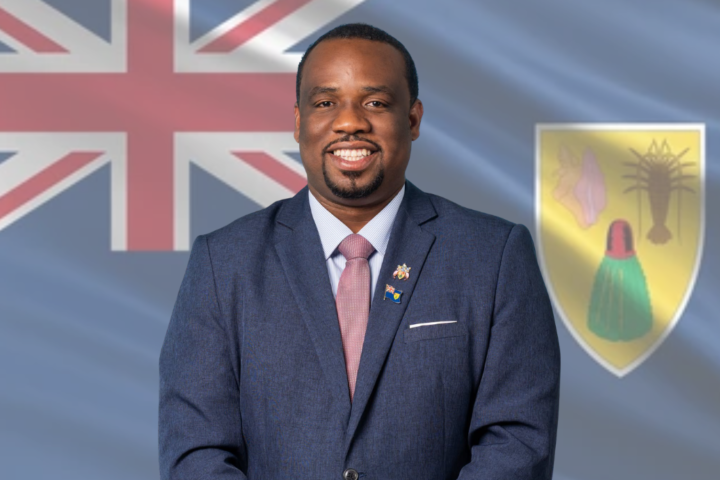
Over 800 delegates from across the Commonwealth’s six regions attended the week-long series of meetings. The Turks and Caicos delegation was led by the Minister of Education, Youth, Sports and Library Services, Hon. Akierra Missick, Permanent Secretary, Cherylann Jones, Director of Education, Edgar Howell, Sherlaine Been, Teacher and Head of the English Department at the H J Robinson High School and Youth Ambassadors Donte Francis and Kershelle Bain.
The theme is ‘Quality Education for Equitable Development: Performance, Paths and Productivity’ – 3P’s. The Conference took place at a time when current Millennium Development Goals will come to an end and be replaced by a post-2015 Development Framework for Education that focus on equitable access to quality education and the provision of lifelong learning for all.
The CCEM is the largest Commonwealth ministerial meeting and includes four parallel forums, covering youth, civil society, teachers and stakeholders. It was officially opened by the Prime Minister of The Bahamas, The Right Honorable Perry G. Christie. In his welcome, he called for a greater emphasis to be placed on education stating; “Not merely at the policy level but to ensure that policies become real, and are enacted.”
“The 19CCEM promises a unique opportunity for ministers to discuss issues affecting member countries from both regional and global perspectives. I am looking forward to be part of discussions on policy, practice and strategic actions that are required to respond to the Post-2015 Development Goals” stated Hon. Missick. “Additionally my team has so far enjoyed exploring trends and innovative good practices in Commonwealth education and looking at developing those good practices best suited to Turks and Caicos.
“Members of the Delegation attended sessions on the Financing of Education: Public Schools vs Private School for Profit that reinforced the notion that governments have an obligation to develop and strengthen their public schools systems.
“Further, that governments must regulate private schools to ensure that all schools meet national standards, ensure universal access, and equal opportunities for all children. Education is a public good whether it is offered publicly or privately.
“Based on the National Plan, we are on the right track but will work on more collaboration and strengthen areas such as, teacher quality and efficiency, the development of school leaders, implementing policies to improve learning environments such as ICT integration, and financing tertiary education opportunities.”
Discussions covered a range of educational issues focusing on quality standards, teaching and learning, teacher development and performance, skills and paths that meet both the dynamic needs of learners especially the youth, global qualification standards, ICT integration in education and training, opportunities for economic growth and investment, and the overall quality of education across the Commonwealth.