The international community has pledged to improve its response to the global refugee and migration crisis, though some question whether the plan goes far enough.
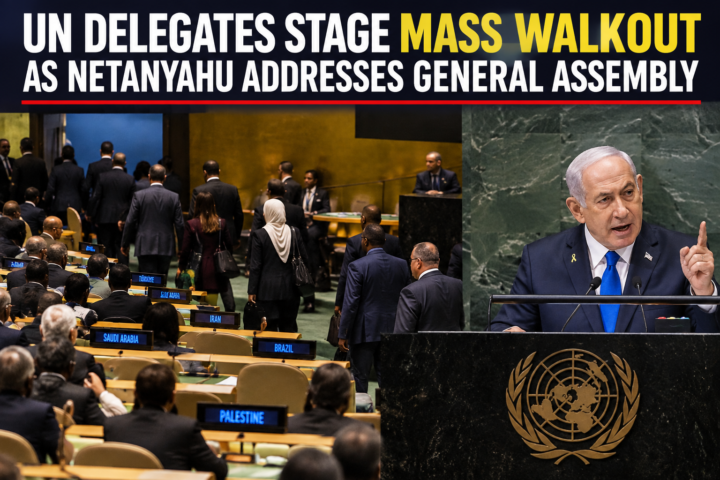
At a high-level summit Monday at the United Nations, member states agreed to protect the rights of refugees and migrants and to share responsibility for large movements of people on a global scale.
“Refugees and migrants are not to be seen a burden; they offer great potential, if only we unlock it,” U.N. Secretary-General Ban Ki-moon told the assembly. “We must place the human rights of all refugees and migrants at the heart of our commitments.”
An unprecedented 65 million people have been forcibly displaced across the planet, some by conflict or persecution, others by extreme poverty, and many by natural disasters.
The declaration adopted in New York seeks to increase support to countries most affected by the crisis, to help displaced children get access to education and to boost humanitarian funding and the resettlement of refugees.
A plan to ask governments to resettle 10 percent of the world’s refugees each year was dropped and the final declaration has no requirement that countries take specific numbers of people, which has led to criticisms, especially from NGOs.
Human Rights watch said the declaration is a “missed opportunity” to widen the scope of refugee and migrant protections, asserting it “limits expectations for concrete, new commitments.”
The U.N. is placing more emphasis on fighting discrimination and xenophobia relating to refugees and migrants as countries close their borders to the growing human exodus.