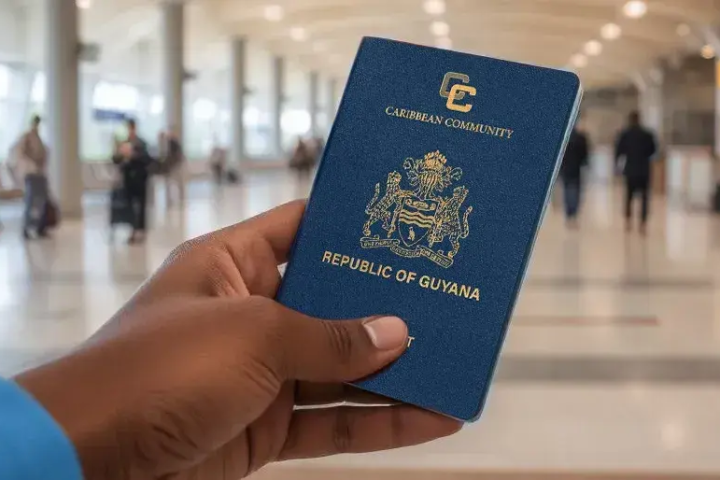
Brazil President, Luiz Inácio Lula da Silva, is among specially invited guests attending the Caribbean Community (CARICOM) summit that opens in Guyana on February 25.
Apart from the Brazilian leader, the President of the Inter-American Development Bank (IDB), Dr. Ilan Goldfajn, Saudi Arabia’s Minister of State for Foreign Affairs, Adel bin Ahmed Al-Jubeir, and the United Arab Emirates (UAE) Minister of State for International Cooperation, Reem al Hashimy, will attend the three-day summit that will be chaired by Guyana’s President Dr. Irfaan Ali.
The regional leaders are expected to discuss a number of issues crucial to the 15-member regional integration grouping, including the ongoing socio-economic situation in Haiti where security remains a high priority highlighted by the July 2021 assassination of President Jovenel Moise.
Rival criminal gangs have been seeking to control areas of the capital and a Multinational Security Support (MSS) Mission in Haiti, approved by the United Nations Security Council last October to assist the government there restore law and order is yet to be fully deployed in the French-speaking CARICOM country.
The MSS will be led by Kenya and several CARICOM countries have already indicated a willingness to provide support to the team that will coordinate with the Haitian National Police.
In addition to Haiti, the regional leaders will also focus on territorial threats, including the Guyana-Venezuela border dispute, crime and violence, climate change and financing, regional food and nutrition security.
Additionally, the agenda will feature discussions on COP 28 and the upcoming Fourth International Conference on Small Island Developing States. The summit will also deliberate on global and hemispheric issues, including developments in the Middle East and emerging situations in Argentina, Ecuador, and Guatemala.
The summit will most likely discuss the region’s position to be adopted at the VIII Summit of Heads of States and Governments of the Community of Latin American and Caribbean States (CELAC) that takes place in St. Vincent and the Grenadines on March 1.
CELAC serves as an intergovernmental platform for dialogue and political consensus, comprising a membership of thirty-two nations across Latin America and the Caribbean. Functioning as a regional forum, CELAC aims to unify all countries in the Latin American and Caribbean regions, aspiring to represent a distinctive voice and establish structured mechanisms for policymaking in politics and cooperation to bolster regional integration initiatives.
Source-CMC