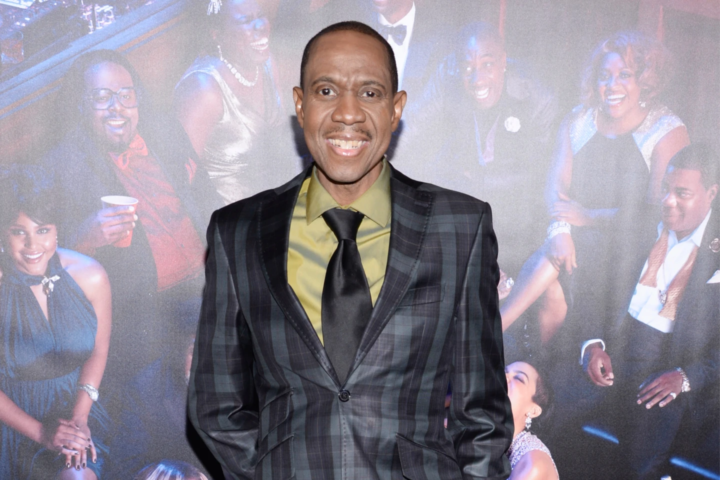
Arts and Multiculturalism Minister Winston “Gypsy” Peters is backing down on a plan to implement a 3,000 per cent levy on imported Carnival costumes—at least, just for the 2012 edition of the national festival. Earlier this year, he had threatened to introduce the tariff, citing that the local mas manufacturing sector was being eroded, because of decisions by local bandleaders to outsource the assembling of costumes to companies based in China and India. But he revealed to Sunday Guardian that the amendments required to the Customs and Excise Act, by the Finance Minister, through Parliament, to make this punitive tax law would take longer than originally envisaged.
“We are working on it, but the fact is we may not be able to. They may get away again next Carnival,” said Peters. Asked what steps his ministry would adopt in the interim, Peters said: “Gentle persuasion…knowing that its their (bandleaders) action now, that is going to bring about this punitive tax. “We have the skills here, but we don’t have the opportunity to utilise it. If you don’t utilise something, of course, it will die. And that’s exactly what happened. We have moved away from our mas and we have joined Brazil.”
Cadiz supports tax
Trade and Industry Minister Stephen Cadiz has thrown his full support behind Peters’ 3,000 per cent duty on fully assembled and imported Carnival costumes, from Asia or elsewhere. “He’s right!” said Cadiz. “We allowed an entire industry, a creative industry to just leave the shores of this country and we have to build that back…and we need to build the capacity. Not everybody is a stitcher. Not everybody can cut. Not everybody can design. Not everybody can make a costume. We have to build the capacity,” Cadiz said.
Band leader responds
But Tribe band leader Dean Ackin, who has been most vocal on the issue, has insisted that the solution to this unpleasant development was a deliberate partnership between the Government and Carnival stakeholders. He lamented, however, that Peters has refused to meet with bandleaders like him to discuss the matter in its entirety. Peters made it clear he did not need to speak to any businessman but instead, officials at the representing National Carnival Bands Association (NCBA) of T&T. “Tribe believes that with meaningful consultation and discussion, we can put the controversial costume tariff behind us. Rushing to implement the proposed costume tariff may not be in the best interest of the many stakeholders who live for the glorious annual celebration of Trinbago mas.
“We believe that the best solution is for us to form a new partnership: Carnival authorities, the Government, the bands and other key stakeholders, working together to formulate a three-to-five-year plan with the aim of developing labour skills, introducing technology and machinery, and increasing and sustaining the productive capacity of the local mas industry,” said Ackin. While Ackin and other band leaders have been unable to secure an audience with the Arts and Multiculturalism Minister, Sunday Guardian learnt from a well-placed source that a division in the Ministry of Finance had been meeting with mas stakeholders towards drafting a master plan to develop the Carnival industry.
Ackin admitted that a similar agency within the Finance Ministry had contacted Tribe, but he did not want to divulge the nature of the discussion for fear of pre-empting the work of the unnamed department. He said: “Some bandleaders were able to get a meeting with one of the agencies that fall under the ministry of finance and they were able to understand our position and we were unable to understand Government’s position. “We are working to see if the costumes can be produced locally and competitively and to the standard that masqueraders and band leaders want. This department was looking to develop the Carnival industry just as Minister Peters and like us want to do.”
Related Posts

Sean ‘Diddy’ Combs transferred to new prison in Pennsylvania: Sources
The Bureau of Prisons confirmed that rapper Sean Diddy Combs is being moved to…

The Mummy sequel gets official title The Mummy: Book of the Dead
The upcoming fourth installment in The Mummy film series will be titled The…