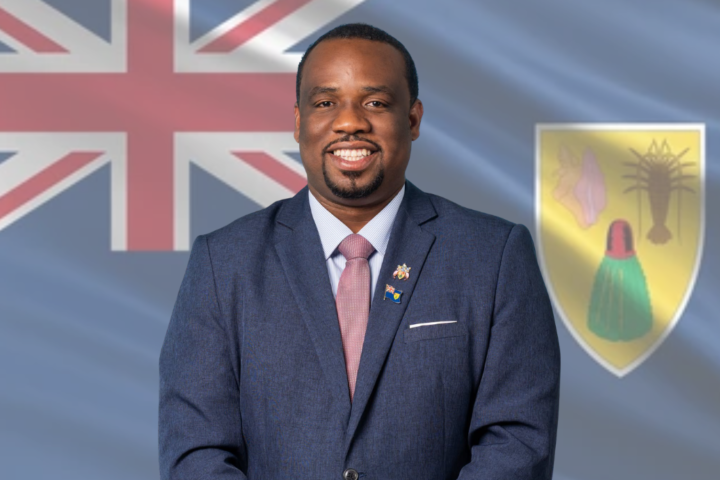

Restrictions imposed on the government of Turks and Caicos by the British, was one of the issues tabled at the 35th Regular Meeting of Caricom last week, by The Bahamas’ Foreign Affairs Minister Fred Mitchell.
Mr. Mitchell said the Bahamas made representations for the timely resolution of two constitutional matters: the controversial Dominican Republic ruling that has led to the de-nationalisation of persons of Haitian descent and British restrictions imposed on the government of Turks and Caicos.
“As the lead country and spokesperson for the Turks and Caicos within CARICOM, we just updated colleagues on the status of things between the British government and Turks and Caicos. Right now, the complaint is that the constitutional restrictions imposed are choking off the ability of the (Turks and Caicos) government to invest in social projects,” said Mitchell.
Mr. Mitchell drew an example where the country needs a high school and is unable to do so because it does not have the fiscal space.
“Our view is that there be a return to full democracy in the Turks and Caicos and the only thing that should be reserved to British government, is defense and foreign affairs,” Foreign Affairs Minister Fred Mitchell added.
Meanwhile, Mr. Mitchell at CARICOM’s 35th Regular meeting, stated his country’s position on marijuana, noting that it remains unchanged, despite the regional bid to further studies on its medicinal use, with no further consideration on legalization.
He made the comments following CARICOM’s decision to establish a commission to research the social, economic, health and legal issues related to the regional use of the plant.
Mr. Mitchell said: “The question of marijuana hasn’t been advanced. The commission is not meant to deal with legalization, but whether or not (marijuana) has medicinal uses, the issue is to be studied,” he said.
Jamaica announced last month plans to decriminalise the possession of small amounts of marijuana through amendments to its Dangerous Drugs Act.
More than 40 countries are now considering changes to legislation against the plant for medicinal or recreational use with notable efforts, including Uruguay’s sweeping legalisation in December, and booming medicinal and recreational industries.