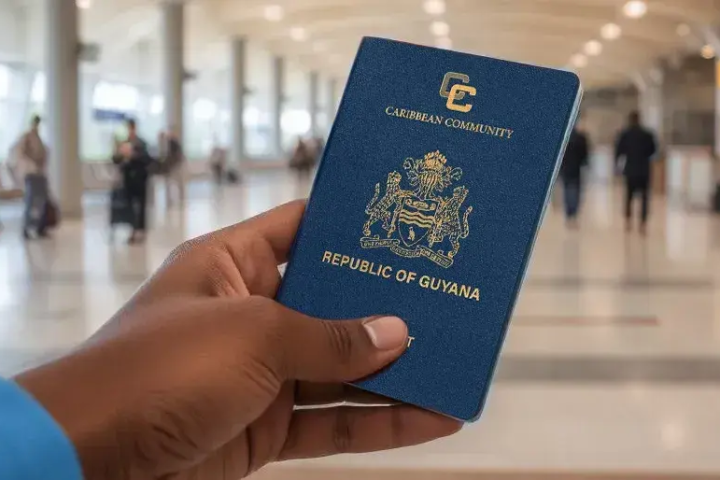
Caribbean Community (CARICOM) leaders are using the ongoing United Nations Climate Change Conference (COP 26) to outline the region’s position on the impact of climate change on their economies.
The regional leaders are steadfast in the position that if the global average air temperature rises above 1.5 degree Celsius it will have consequences for their local economies.
Among the actions being advocated for are the reduction in gas emissions from burning fossil fuels like oil, speeding up a transition to the use of more renewable sources of energy (such as solar and hydro energy) and adequate financing to help small, developing countries to become more resilient to climate change.
They support the idea that to reach a 1.5-degree pathway, new cultivation approaches would need to prevail, leading to a 53 percent reduction in the intensity of methane emissions from rice cultivation by 2050. Finally, about one-third of global food output is currently lost in production or wasted in consumption.
Source-CMC