On Wednesday, November 14, 2012, representatives of the Turks and Caicos financial services industry participated to a one-day seminar which provided a comprehensive introduction and critical update on Foreign Account Tax Compliance Act (“FATCA”) which was signed into law on March 18th, 2010, in the United States and will become effective January 1st, 2013, as a part of the Hiring Incentives to Restore Employment (“HIRE”) Act.
The seminar was facilitated by the Turks and Caicos Financial Services Commission (FSC) in collaboration with the Bahamas Institute of Financial Services and offered an opportunity for professionals with the financial services industry to hear presentations from experts in the field of accounting, US tax planning, compliance, and international private client and corporate law.
Participants shared information on the compliance act’s continuing developments, an action plan for foreign financial institutions (FFIs) and non-financial foreign entities (NFFEs) to become FATCA compliant, an extensive understanding of the act Requirements as well as Legal and Practical Considerations within Intergovernmental Agreements.
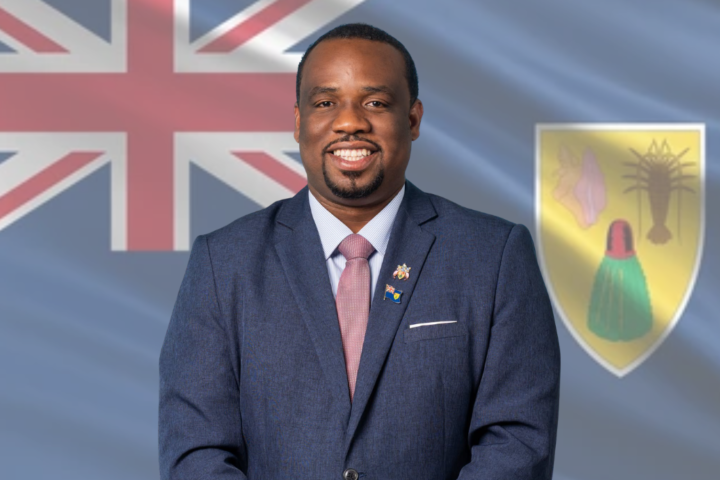
Commenting on the success of the seminar, Mr Marlon Joseph, Head of Banking & Trust at the FSC said: “Today’s seminar was certainly a great example of private sector/public sector partnership. With any new initiative such as FACTA there will be challenges and we have to continue engaging in capacity building and preparing our organisations to rise to these challenges that are driven internationally”
While noting that the Commission had been doing a tremendous amount of work as it related to international best standards and practices, Mr Joseph further added: “Our brand as a transparent, professional cooperative and well regulated jurisdiction is extremely important to our financial sustainability and we must place ourselves in a position to meet on-going challenges.”
FATCA potentially imposes a series of customer due diligence, tax reporting, and withholding tax payment obligations on Foreign Financial Institutions (FFIs) and Non-financial Foreign Entities (“NFFEs”) with tremendous cost-benefit, risk management, and legal effect on banks, investment firms, insurance companies, financial and corporate service providers, trust companies, foundations, and family offices.