The price of benchmark crude fell to its lowest level in 12 weeks yesterday as oil traders weighed growing US oil supplies against unrest in the Middle East. West Texas Intermediate crude fell 77 cents to settle at US$84.81 on the New York Mercantile Exchange. US supplies of oil are rising, while demand for energy products remains tepid. “The US market is not reacting to anything because it’s just so oversupplied,” said Tom Bentz, analyst at BNP Paribas Commodity Futures.
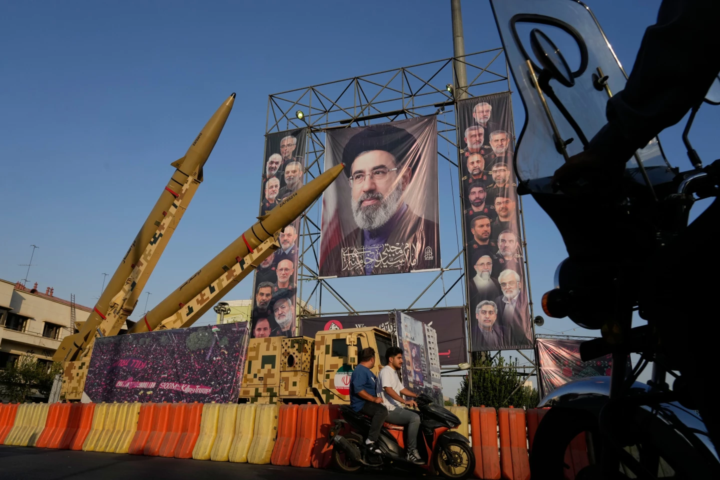
Meanwhile Brent crude rose US$2.14 to settle at US$103.08 a barrel on the ICE Futures exchange in London, with traders concerned that unrest in several Middle East countries may disrupt oil supplies in the region. Brent is used to price oil in Asia and in Europe. It also goes to some East Coast refineries to produce gasoline. There were anti-government protests in Iran, Bahrain, Yemen and Algeria following the resignation of Egypt’s President Hosni Mubarak last week. The military said it will guide Egypt through a democratic transition, but labour protests over wages and working conditions continue around the country.
Traders are concerned that the unrest could interfere with shipments of oil from OPEC countries such as Iran, analysts said. The 12-nation Organisation of the Petroleum Exporting Countries, of which Saudi Arabia is the de facto leader, supplies over a third of the world’s crude. “The entire region’s production comes into question,” PFGBest analyst Phil Flynn said. “The risk is still very, very high.” “The reactions that we’re seeing in the markets over what’s going on in the Middle East are quite startling,” Bentz said.
China’s reported that exports rose almost 38 per cent in January to US$150.7 billion. That’s more than double the rate in December. It also had near-record imports of crude oil. China is the world’s second-largest economy after the US and the second-largest consumer of oil, according to the Energy Information Administration. That demand has helped drive oil prices higher in recent months. While China’s economy is robust, growing at a pace of nearly ten per cent at the end of last year, the government is worried about inflation and has taken steps to try to slow growth and rising prices. If China’s economy slows, so will its demand for oil, and that could affect prices of oil, Bentz said.