
Rules of Procedure
01. Duties of the Chairman
The Chairman shall:
- Preside at all meetings of the Forum.
- Cause the Forum to proceed with its business in the order established by the Rules, if a quorum is present.
- Preserve order and decorum, particularly as provided in these Rules.
- Confine members to questions under consideration.
- Speak on points of order, and shall have preference over other members in doing so.
- Decide all points of order.
- Make determination on any points of procedure which may arise.
- Do and perform such other duties as are required by these Rules.
02. Duties of the Clerk
- The Clerk shall keep minutes of proceedings of the Forum and of committees of the Forum and shall circulate copies of such minutes to members of the Forum as soon as possible after each meeting of the Forum or of a committee of the Forum.
- The minutes shall record the names of the members attending and all recommendations of the Forum to the Governor and shall be signed by the Chairman in the Forum.
- The minutes in the case of divisions in the Forum shall include the number voting for and against the matter the subject of such division.
- [The Clerk shall prepare from day to day and keep available to members of the Forum an agenda book showing all business appointed for any future day.]
- The Clerk shall be responsible for the safe custody of the records, bills and other documents considered by the Forum and these shall be open to inspection by members of the Forum and others under such arrangements as may be sanctioned by the Chairman.
- The Clerk shall be responsible for preparing for each meeting an agenda containing the business for that meeting and shall circulate to each member the agenda so prepared in respect of each meeting of the Forum. Items for inclusion on the agenda should be submitted at least seven working days before the meeting and the Clerk shall circulate to each member the agenda as approved by the Chairman not less than five working days before the meeting.
- The Clerk shall execute such other functions and duties as may be assigned by the Governor or the Chairman, and may assist members in the carrying out of their functions.
03. Quorum
- A quorum of the Forum shall consist of 9 members including the member presiding.
- If at the time of meeting a quorum is not present the Chairman shall not take the chair of the Forum.
- If after 15 minutes a quorum is still not present the Clerk shall summon members to the meeting.
- When once a meeting has commenced and a quorum is therefore present, a quorum shall not be necessary thereafter for any business of the Council other than a division.
04. Order of Business
The business of each meeting shall be transacted in the following order after prayers: Bills or other proposals for legislation referred by the Governor Policy or proposed policy of the Government referred by the Governor Other matters brought before the Forum by one of its members.
05. Messages from the Governor
A message from the Governor may be brought up at any time during a meeting.
06. Questions and/or Explanations arising out of matter debated in the Forum
- Questions arising out of any matter debated before the Forum may be answered by any of the ex officio members namely the Chief Executive, the Attorney General or the Permanent Secretary Finance. The Chief Executive may require any public officer to attend to assist with any such answer or explanation.
- Members of the Forum may submit questions for written responses on any matter. Such questions:
- must not publish any name or statement not strictly necessary to render a question intelligible.
- must not contain any adverse statement, which the member who asks the question is not prepared to authenticate and substantiate it.
- shall not contain any argument, inference, imputation, epithet, or tendentious, ironical or offensive expression.
shall not be asked which deals with matters the subject of formal criminal of civil investigations or proceedings or reflecting on the decision of a court of law or likely to prejudice a case under trial.
shall not seek information about any matter, which is of its nature confidential.
may not ask for an expression of opinion, for the interpretation of any law or the solution of a hypothetical proposition. - may not be asked which reflects on the character or conduct of any person.
- requiring information set out in accessible documents or ordinary works of reference may not be asked.
- may not ask whether statements in the press or of private individuals or unofficial bodies are accurate.
- If the Chairman is of the opinion that any written question is out of order he or she shall so inform the member, specifying the rule which it infringes.
07. Notice of Questions
Notice of a written question shall be given by a member by handing a notice with the question to be asked to the Clerk or by leaving it at his office at any time during normal working hours or by sending it to the Clerk by e-mail and such notice shall, except when sent via e-mail, be signed by the member giving it. The Chief Executive shall determine which Department or authority shall be responsible for providing an answer and thereafter the response shall be sent to the Member who submitted the same with a copy to the Clerk for noting that the answer has been supplied.
08. Rules of Debate
- A member must confine his or her speech to the subject under discussion and may not introduce irrelevant matter.
- Reference may not be made to any matter on which a judicial decision is pending or in respect of which a formal civil or criminal investigation is under way.
- It shall be out of order to reflect on any vote of the Forum or attempt to reconsider any specific matter upon which the Forum has come to a conclusion during the current meeting.
- It shall be out of order to use offensive and insulting language about members of the Forum and no improper motive may be imputed to another member.
- Reference may not be made in debate to the character or conduct of any person.
- A member of the Forum who desires to speak must rise in his or her place and if the Chairman calls upon him or her, address the Chairman.
- If two or more members rise at the same time the Chairman shall call upon the member who first catches his or her eye.
- The Chairman may also express his or her views on any matter the subject of a debate and may vote accordingly.
- A member may not speak more than once on any proposition except to offer explanation of some material part of his or her speech which has been misunderstood. Where the Chairman requires a member to withdraw a statement, he or she may also require the statement to be expunged from the records of the Forum.
09. Response
Where a member has brought a matter before the Forum, he or she may have an opportunity to respond after other members have spoken. No member may speak after a response has been delivered except an ex-officio member may conclude a debate on any motion which is critical of the Government.
10. Time Limits of Speeches and Debates
In a debate on a matter whether referred by the Governor or brought before the Forum by one of its members, a member may speak for not more than 10 minutes.
The Chairman may at any time extend the time so that a member may be permitted to speak longer than 10 minutes on a matter of national importance before the Forum.
11. Interruptions
- A member may not interrupt another member during his or her speech except in the following circumstances:
(a) by rising to a point of order when a member speaking shall resume his or her seat and the member interrupting shall simply direct attention to the point of order, which he or she desires to bring to notice and submit it to the Chairman for decision.
(b) to elucidate some matter raised by the member in the course of his or her speech if the member speaking is willing to give way and resume his or her seat and the member wishing to interrupt is called by the Chairman. - When a member rises on a point of order or a point of elucidation and any statement then made by him or her is ruled not to be a point of order or a point of elucidation the Chairman may require such statement and any comment thereon by any other member to be expunged from the record of the Forum.
12. Behaviour of Members not speaking
A member while present during a debate:
must at all times conduct himself with dignity and decorum
must not pass between the Chairman and any member who is speaking
must maintain silence except when called to speak by the Chairman.
13. Scope and Duration of Debate
Debate on any bill or any amendment thereto must be relevant to such bill or amendment, and with the consent of the majority of the Forum present, the Chairman may fix the total time to be allocated on any business whether referred by the Governor or brought before the Forum by any one of its members.
14. Closure of Debate
After a question has been proposed, a member rising in his or her place may claim to move “that the question be now put” upon which the question shall be put forthwith and decided without amendment or debate.
15. Chair to be heard in silence
When the Chairman rises during a debate any member who is then speaking or offering to speak must resume his or her seat and the Forum must be silent so that the Chairman may be heard without interruption.
16. Decision of the Chair Final
The Chairman in the Forum shall be responsible for the observance of the Rules of Order of the Forum and his or her decision upon any point of order shall not be open to appeal and shall not be reviewed by the Forum.
17. Voting
- All questions proposed for decision in the Forum shall be decided by the majority of members present and voting.
- The Chairman may vote on any question. At the conclusion of a debate upon any question the Chairman shall put that question for the decision of the Forum. A question is full put when the Chairman has collected the votes of the “ayes” and of the “noes”. No further debate may thereafter take place upon that question.
- The Chairman shall declare the result whereupon he or she may, in his or her discretion, entertain a call for a division by any member.
- If the Chairman entertains the call for a division, the question shall again be put by the Chairman and all members then present and seated (including the Chairman) shall be entitled to vote by secret ballot.
- In a division the Clerk shall submit to each member a ballot in the order of the sitting of each member, and shall collect each ballot in a box and thereafter count each ballot for, against or abstentions, and report the result to the Chairman, who shall declare the result accordingly. The Clerk shall ensure that how any individual member voted on any issue shall remain secret.
- The Clerk shall enter in the minutes of proceedings a record of the result of the vote, with the numbers in each category (i.e. ayes, noes, abstentions).
- If a member states that he or she voted in error he or she may claim to have his or her vote altered if the request is made before the Chairman has declared the result of the division. The Chairman may, in such circumstances, and in his or her discretion, allow the vote to be retaken, and any previous ballots shall be set aside by the Clerk and destroyed.
18. Committees
The Forum may form informal committees to assist the Forum in evaluating any matter engaging the Forum’s attention.
19. Procedure of Committees
- A committee shall report its opinion and observations to the Chairman.
- The names of the members present at each meeting shall be entered upon the minutes of proceedings and minutes of the committee.
- Unless a quorum is fixed by the Forum, a committee shall fix its quorum.
- A committee shall not sit while the Forum is meeting but a committee may sit when the Forum is adjourned or its meeting is suspended.
- If the person appointed to chair meetings of a committee is absent from a meeting the committee shall elect one of its members to act in the place of the person appointed to chair the committee.
- A committee shall have the services of the Clerk to the Forum.
- A committee may not without the consent of the Forum delegate any of the functions for the discharge of which it was appointed.
20. Reports from Committees
- A committee shall have leave to make a special report relating to its functions and proceedings on any matter which it may think fit to bring to the notice of the Forum.
- A report or special report together with the minutes of proceedings of a committee shall be presented to the Forum by the person appointed to chair meetings the committee or another member of the committee elected in his or her absence.
- A member of the committee may thereafter move that the report be adopted.
21. Absence of Members
Any member who is unable to attend a meeting of the Forum shall acquaint the Chairman as early as possible of his or her inability to attend. The Chairman may draw any persistent absence of any member to the attention of the Governor.
22. Admission of the Public
- The public shall be admitted to debates of the Forum or to the precincts of the Forum’s meeting place.
- The Chairman may order the withdrawal of members of the public from the meeting place of the Forum or the precincts of the Forum’s meeting place and they must withdraw as directed if in the opinion of the Chairman such persons’ presence is disruptive to the proceedings of the Forum.
- Members of the public must be silent during debates and must at all times conduct themselves in a fit and proper manner.
23. The Press
The Chairman may grant a general permission to the representatives of any newspaper or other journal or broadcasting or television station to attend meetings of the Forum in his or her discretion. If the newspaper or other journal or broadcasting or television station publishes a report of the proceedings of the Forum which, in the opinion of the Chairman, is unfair or inaccurate, such permission may be revoked.
24. Notice of meetings
No advance notice of the calling of a meeting shall be required when the date and time have been decided at an earlier meeting of the Forum. Subject to rule 1, the Clerk shall notify each member as far in advance as possible, and in any case not less than fourteen days in advance, of the calling of any meeting unless shorter notification times is required in accordance with Rule 8 of the Consultative Forum Rules.

Advisory Council
Edith Cox
A native of South Caicos, Edith Cox is an accomplished businesswoman and Certified Public Accountant who currently resides in Providenciales. Ms Cox became a Certified Public Accountant in 1991, and has worked as an auditor with Coopers and Lybrand now PWC, Development and Industry. She currently serves as Chief Financial Officer and Vice President of Providenciales-based Graceway Trading, and Group Finance Director of the KH Capital Group. She is an executive member of the Chamber of Commerce and involved in various island charities.
Joseph P Connolly
Joseph Connolly is a qualified Chartered Accountant who has been practicing for 28 years. Amongst his various posts Mr Connoly was in charge of the Coopers & Lybrand Turks and Caicos office in 1983 and the first President of the Financial Industry Association and the Accountant Society. He is currently the Managing Director of PricewaterhouseCoopers Ltd. He was the former Treasurer of the TCI Football Association and the British West Indies Collegiate.
Theophilus Durham
Theophilus Durham was born and grew up in Grand Turk. Trained as a civil engineer, he is an Authorized Land Surveyor, and has been operating his own land surveying practice for more than twenty years. He is very active in the Bethany Baptist Church and the Chalk Sound community.
Eugene Otuonye
Queen's Counsel with 25 years of legal practice in the private and public sectors, Eugene Otuonye is a former Deputy Attorney General of the Turks and Caicos (2004/2005) and former Attorney General of Montserrat (Jan.2006- March 2008). He has been Chairman of the TCI Public Service Commission since July 2008. He is a member of various regional and international Bar Associations; Fellow of the Society for Advanced Legal Studies, Institute of Advanced Legal Studies, University of London.
Doreen Quelch-Missick-Stubbs RGN. BS. LL.B (Hons.), MBA
Doreen Quelch-Missick is an attorney at Law in the Turks and Caicos and Barrister at Law from England and Wales. An advocate of Womens and Childrens rights, she advises on domestic violence and provides mentoring for young people. She has been Chairman of the Turks and Caicos Human Rights Commission since June 2008.
John T Smith
John Smith is the Chief Executive Officer of the Turks and Caicos Islands Airports Authority with over 20 years’ international experience in the Aviation industry. An accomplished engineer and Chartered Manager who specialises in recovering troubled organizations, developing and implementing change. Since his return to the Islands Mr Smith has become the first chairman of the National Health Insurance plan and holds directorships on several other boards.
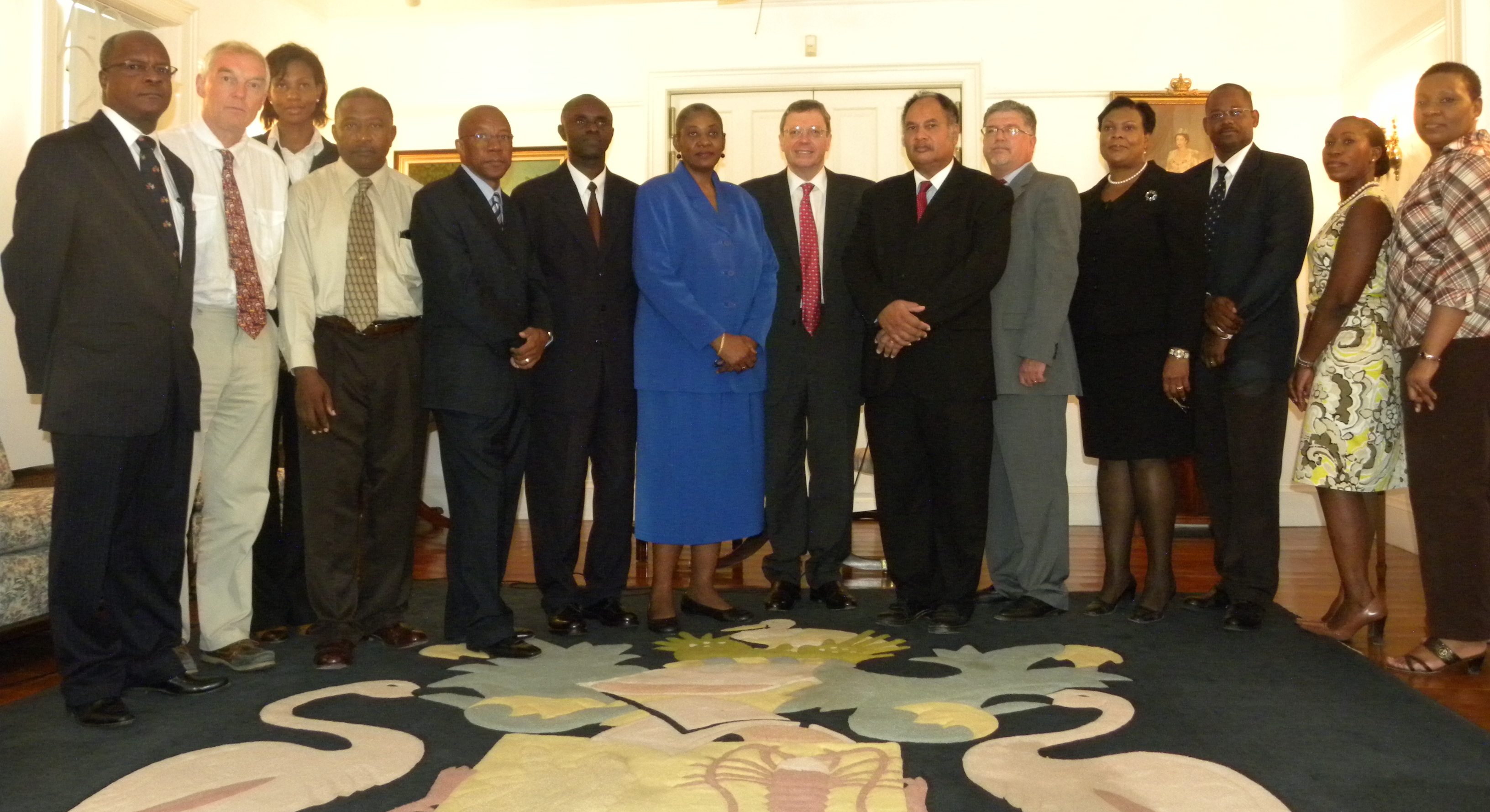
Picture: left to right Kingsley Been, Martin Stanley, Christine Shearer, Theophilus Durham, Dr. Carlton Mills (resigned), Eugene Otuonye, Former Deputy Governor Hon. Mahala Wynns, Former Gov. Gordon Wetherill, Former Attorney General DeFreitas, Joseph P Connolly, Doreen Quelch-Missick, John T Smith , Edith Cox & Bridgette Newman
Consultative Administration
On Tuesday, August 25th, 2009,the former Governor, H.E. Gordon Wetherell, swore in Consultative Forum Members at Waterloo, Grand Turk.
The appointed members will be joined on the forum by the former Chief Executive Martin Stanley, Attorney General, Kurt DeFreitas and Delton Jones, Permanent Secretary (Finance), who served then as ex officio members.
Under the Order in Council amending the TCI Constitution, the Consultative Forum included between eleven and fifteen appointed members, chosen from among persons representative of the community.
The functions of the Forum were to make recommendations on proposed legislation, policies or proposed policies referred to it by the Governor, or on any other matter brought to it by one of its members. In line with the Order in Council, the Governor announced rules for the conduct of business in the Forum.
Listed below are the Consultative Members and their biographies:
David Bowen
David Bowen was born and raised in Grand Turk. After attending high school in The Bahamas he received a performing arts scholarship in New York City majoring in dance and music. He spent ten years as a choreographer and musician in Tokyo Japan and returned home in 1997 as first local entertainment manager at Beaches Hotel and Spa. David Bowen became Turks and Caicos Director of Culture in 2003.
Guilaine Brutus
Guilaine Brutus is very active in the Health and Education sector. She studied Political Sciences in Miami Dade, Florida and came back home to fully participate to the development of the Islands. She has been working with Associated Medical Practice for 11 years. She is a Director of Crime stoppers and a member of toastmasters. She is proud of her work in Gender& Social Affairs and Education.
Rev Scott Brennen
Rev. Scott Brennen holds an Associate of Arts degree in Accounting (The College of The Bahamas, 1989); A Bachelor of Science degree in Accounting & Master of Business Administration degree in Marketing (Barry University, 1991, 1993); A Bachelor of Arts degree in Theology (University of The West Indies, 2001); and a Diploma in Pastoral Studies (Codrington College, 2001). He currently serves as the Rector of St. Monica Anglican Church in Providenciales, TCI; Parish Priest of St. George's Anglican Church in South Caicos, TCI; Part-time Lecturer, TCI Community College; Part-time Lecturer, TC Hotel Tourism & Training Institute; and Director of Vocational Services for The Rotary Club of Providenciales. One of his favourite sayings is the Old Saying: "Good! Better! Best! Let us never rest. Till our good is better and our better best."
Karen Delancy
Karen Lorene Delancy served in the TCI G from 2003 to 2009 in the following capacities: Minister of Health/Social Services; Gender Affairs and Disaster Management & Emergency; Deputy Speaker of the House of Assembly and Minister of Home Affairs and Human services. She is a strong advocate for Human Rights and prevention of Child Abuse and domestic violence. Miss Delancy is a member of Children Rights International, Association of Family and Conciliation Court. She is also a trained Mediator.
Mrs. Ethlyn Gibbs-Williams
Mrs Gibbs-Williams is a teacher by profession and served for ten years in the Public Service as a Head teacher. She currently serves as an Executive Director of the National Trust Heritage. She is dedicated to the empowerment of Communities.
Rev Derek Hamilton
Reverend Derek Hamilton was born on Middle Caicos. He holds a Bachelors degree in theology and is an ordained Christian minister. He has served as Pastor of the Bethany Baptist Church and an Executive member of the Turks and Caicos Islands Baptist Union since 1989. Twice president of the TCIBU, he is currently serving as Vice President of the Caribbean Baptist Fellowship. A previous Immigration Officer; Reverend Hamilton has also served on the Task Force for Illegal Housing and the Higher Education Advisory Board.
Lillian Misick
Lillian Swann-Misick is a trained graduate teacher who served in the Education Department/Ministry of Education for 23 years as Teacher, Principal, and Senior Education Officer. She has operated her own business for 22 years. For the past nine years (9) she has served as Manager of the Small Business Division of TCInvest.
Patricia Simmons
Patricia Simmons is a native of Salt Cay and served for thirty-seven years as Head teacher, District Commissioner and Community Leader. She is currently a business owner and Justice of Peace for the Island.
Cynthia Astwood
Mrs Cynthia Astwood was born in the Turks and Caicos Islands and received her education in Grand Turk and the United Kingdom where she graduated as a State Registered Nurse, State Certified Midwife, Theatre Nurse, Intensive Care Nurse and Health Visitor.
She took up employment in the Chief Secretary's Office as an Administrative Officer, responsible for overseas and local training, District Administration, coordination of all funding agencies, overseeing budgetary preparation and responsibility for Protocol.
She was promoted to Under Secretary in the Chief Secretary’s Office and subsequently was appointed Assistant Chief Secretary. She was made the first female Chief Secretary in the Turks and Caicos Islands and in the Region, a post she held with pride for many years, during which she served as Acting Governor on many occasions. Mrs Astwood was awarded with an MBE followed by an OBE in appreciation of her work in the Turks and Caicos Islands. She is involved in a number of charitable organizations and prides herself of being a community minded person.
Rev Courtney Missick
Reverend Courtney Missick was born and raised in Kew, North Caicos. From an early age he had a keen interest in Gardening. He fulfilled this passion by working as a gardener in a number of Resorts. He is currently the Pastor of Grace Temple Church in God. He is also a business owner and a farmer. He serves as an active member of the Human Rights Commission.
Linda Williams
Dr Linda Williams holds a Master Degree and a Doctorate degree in Education from the University of Bristol. She is very involved in the community of Grand Turk and volunteers in many organizations. She has previously held the posts of Chief Education Officer and Permanent Secretary/Education. She has also been a supervisor of Elections and has been Chairman of the Public Service Commission 2008/2009. She is a dedicated Sunday school teacher.
Sharlene Robinson
Sharlene Robinson is an Attorney at Law and was called to the TCI Bar in 1998. She holds an Associates Degree in History, a Bachelors of Laws Degree and a Certificate of Legal Education.
A former youth columnist, she serves as the Youth Director for the TCI Baptist Union's Youth Department and also as a Director for the Northern Caribbean in the Youth Department of the Caribbean Baptist Fellowship. She also now serves as Chairman of the Social Issues Committee and Legal Counsel for the Baptist Union of Churches.
She also served as lecturer in Laws at the TCI Community College. A former Appointed Member to the Legislative Council and candidate in the General Elections of 2003, Sharlene Robinson currently serves as the PDM Party's first female National Chairman.
About Radio Turks & Caicos
Radio Turks and Caicos is the official Government radio station. The sole frequency on which it can be heard across the Turks and Caicos Islands is 89.1 FM. Formerly, there were three frequencies broadcasting across the Turks and Caicos Islands: 107.7 FM in Providenciales, 103.9 FM in North and Middle Caicos, and 101.9 FM in Grand Turk, Salt Cay, and South Caicos.
Located in the capital, Grand Turk, the station was originally heard on frequency 1460 AM and was known as “The Voice of the Nation.” Today, we are “The Entertainment Capital of the TCI.”
At RTC, we offer our listeners a unique blend of talk radio, easy listening, up-to-date news, daily shows, and entertainment. Our staff consists of talented artists and musicians who are well known within our listening community. RTC is the only radio station broadcasting across the entire Turks and Caicos Islands, giving us the advantage of reaching a monumental number of listeners throughout the nation. Our listeners are loyal and consistently tune in to RTC for their daily information.
This website was launched on October 12, 2009, “Christopher Columbus Day,” and stunned the nation with over 200,000 hits by the end of that same year. As an evolving station, RTC can now be accessed on smartphones, allowing listeners to take us anywhere in the world by logging on to rtc89fm.com. Through this platform, users can follow our news, entertainment, and sports coverage and, most importantly, listen to us on their mobile phones from anywhere in the world.
RTC is the first radio station in the Turks and Caicos Islands to offer these features and will continue to introduce many more in the future. Our social networks are limitless as we connect with the world through Facebook, Twitter, and other social media platforms available in the TCI.
Through this website, our station affords people the opportunity to vote in polls, express their views through our blog, send greeting cards, purchase items through our E-Store, and watch our television programs through RTC TV, among many other features offered on the site. Our children can also learn about culture and history through the website, providing another avenue for expanding their minds with the help of the greatest station in the nation.
Speaking of history, during the late 1960s and early 1970s, Cable & Wireless established and maintained an AM radio station, VSI8, in Grand Turk. At the time, many Turks and Caicos Islanders were living and working in the Bahamas, and they often used the radio station to broadcast messages to friends and relatives back home. These messages were sent in the form of telegrams through telegraph links to Grand Turk, where operators prepared them in time for the lunchtime news. Announcements were made at the beginning of the local news segment. In the case of urgent messages, the entire contents were often read aloud. The radio station also provided up-to-the-minute information on the only international air service to the Turks and Caicos Islands at the time: BAL’s direct flight from Nassau, Bahamas, to South Caicos.
The transmitters and studio for VSI8 were housed in the Cable & Wireless building on Front Street, Grand Turk. In those days, the radio station was the primary medium through which Turks and Caicos Islanders communicated throughout the Islands, as there were no other means of communication besides the mail services provided by the General Post Office.
At that time, the radio station was solely owned and operated by Cable & Wireless. Today, it is owned by the Broadcasting Commission under the Turks and Caicos Islands Government (TCIG). As far back as the 1960s, announcers included Harry Francis, Alden Astwood, Earle Malcolm, Earle Glinton, and Herbie Ingham. During the 1970s, new announcers included Vernon Malcolm, Edison Brooks, Newton Glinton, and Chester Smith, who were also members of Cable & Wireless.
In the 1970s, the Turks and Caicos Islands Government decided to assume responsibility for the station while maintaining its location. It was during this period that William Grant (Garvey) began the 1:30 p.m. Government News, while Cable & Wireless continued its paid news and announcement services.
When TCIG took over VSI8, the station’s name was changed, and Radio Turks and Caicos was officially formed.
In the late 1980s, when the station relocated to Waterloo, the first appointed Director was Sam Tate of CBC Radio Barbados. Other Directors included Richard Williams, Vernon Allick, Lynnette Thomas, and Stanley Astwood, among others. The first Chairman of the Commission was Rev. Reuben Hall.
When RTC became a Government department, the outgoing Board of Directors included Director Christopher Jarrett and Assistant Director Lynnette Thomas, who is now retired. At that time, the Chairman of the Commission was Pedro Ariza.
As the station is a department of the Turks and Caicos Islands Government, the Director reports to the Permanent Secretary, Tamera Robinson, PS of the Ministry of MITE.
The Director can be contacted at cjarrett@gov.tc, or his Deputy, Mr. Damian Wilson, can be contacted via email at ddwilson@gov.tc.
Please continue to explore the site and listen to RTC as we continue to serve and entertain you.
Health Matter
Physical health
Physical fitness is good bodily health, and is the result of regular exercise, proper diet and nutrition, and proper rest for physical recovery. A strong indicator of the health of populations is height, which is generally increased by improving nutrition and health care, and is also influenced by the standard of living and quality of life. Genetics is also a major factor in people's height. The study of human growth, its regulators, and its implications is known as Auxology.
Mental Health
Mental health refers to a human individual's emotional and psychological well-being. Merriam-Webster defines mental health as "A state of emotional and psychological well-being in which an individual is able to use his or her cognitive and emotional capabilities, function in society, and meet the ordinary demands of everyday life." According to the World Health Organization, there is no one "official" definition of mental health. Cultural differences, subjective assessments, and competing professional theories all affect how "mental health" is defined. In general, most experts agree that "mental health" and "mental illness" are not opposites. In other words, the absence of a recognized mental disorder is not necessarily an indicator of mental health.
One way to think about mental health is by looking at how effectively and successfully a person functions. Feeling capable and competent; being able to handle normal levels of stress, maintain satisfying relationships, and lead an independent life; and being able to "bounce back," or recover from difficult situations, are all signs of mental health. Encompassing your emotional, social, and—most importantly—your mental well-being; All these aspects—emotional, physical, and social—must function together to achieve overall health.
Determinants of Health
The LaLonde report suggested that there are four general determinants of health including human biology, environment, lifestyle, and healthcare services.Thus, health is maintained and improved not only through the advancement and application of health science, but also through the efforts and intelligent lifestyle choices of the individual and society. A major environmental factor is water quality, especially for the health of infants and children in developing countries.
Health Maintenance
Achieving health and remaining healthy is an active process. Effective strategies for staying healthy and improving one's health include the following elements:
Nutrition
Nutrition is the science that studies how what people eat affects their health and performance, such as foods or food components that cause diseases or deteriorate health (such as eating too many calories, which is a major contributing factor to obesity, diabetes, and heart disease). The field of nutrition also studies foods and dietary supplements that improve performance, promote health, and cure or prevent disease, such as eating fibrous foods to reduce the risk of colon cancer, or supplementing with vitamin C to strengthen teeth and gums and to improve the immune system. Personal health depends partially on the social structure of one’s life. The maintenance of strong social relationships is linked to good health conditions, longevity, productivity, and a positive attitude. This is due to the fact that positive social interaction as viewed by the participant increases many chemical levels in the brain which are linked to personality and intelligence traits. Essentially this means that positive reinforcement from a third party make one more socially adept, in control, and relaxed physically and mentally, all of which are proven to effect the nervous system(UHF).
Press Release - Acute Gastroenteritis
Poster - Wash Your Hands
Chief Ministers & Premieres
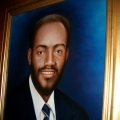 1st Hon. J A G S McCartney 1st Hon. J A G S McCartney
October, 1976 – June, 1980
|
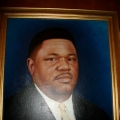 2nd Hon. Oswald O Skippings 2nd Hon. Oswald O Skippings
June, 1980 – November, 1980 & March, 1988 – April, 1991
|
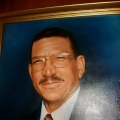 3rd Hon. Norman B Saunders 3rd Hon. Norman B Saunders
November, 1980 – June, 1984 & June, 1984 – March, 1985
|
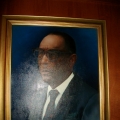 4th Hon. N. J. S. Francis 4th Hon. N. J. S. Francis
March, 1985 – August, 1986
|
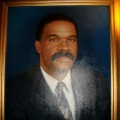 5th Hon. C. Washington Misick 5th Hon. C. Washington Misick
April, 1991 – February, 1995
|
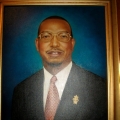 6th Hon. Derek H Taylor 6th Hon. Derek H Taylor
February, 1995 – February, 1999 & February, 1999 – August, 2003
|
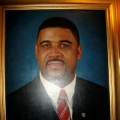 7th Hon. Michael E Misick 7th Hon. Michael E Misick
August 2003 – February 2007 & February 2007 – March 2009
|
| 8th Hon. Galmo W. Williams
March 2009 – August 2009
|
Current Opposition Government
- Min Finance, Investment, and Trade: Charles Washington Misick
- Min Border Control and Employment: George Alexander Lightbourne
- Min Home Affairs, Transportation and Communication: Ruth Delores Blackman
- Min Education, Youth, Sports, Culture and Library Services/Infrastructure, Housing & Planning: Akierra Mary Deanne Missick
- Min Tourism, Environment, Heritage and Culture: Porsha Monique Stubbs-Smith
- Min Health, Agriculture and Human Services: Royal Robinson (Appointed Member)
Former Opposition Members
2012-2016
- Min Tourism Trade : Hon Sean Astwood
- Min Environment : Hon Goldray Ewing
- Min Govt Support Services: Hon Delroy Williams
- Min Education,Youth,Sports and Culture: Hon Josephene Connely
- Min Finance : Hon Derek Taylor
- Min Health Human Services; Hon Edwin Astwood
- Min Border Control: Hon Sharlene Robinson
2009-2012
- Interim Administration/Consultative Forum
2007-2009
- Legislative Council/Leader: Floyd Seymour, MHA (Appointed Member)
- Deputy: Oswald Skippings
- Sharlene Robinson - National Chairman
- Arthur Robinson (Appointed Member)
- Douglas Parnell (Appointed Member)
2003-2007
- Opposition Leader: Hon Dereck Taylor
- Deputy: Hon. Oswald Skippings
- Opposition Member: Hon.Dwayne Taylor
- Opposition Member: Hon. Noel Skippings
- Oppistion Member: Hon,Clarence Selver
- Opposition Member: Hon. Shaun Astwood
- Opposition Member: Hon. Delroy Williams
- Opposition Memebr: Hon. Floyd Seymour (Appointed)
Folklore & Story Telling
(Story by David Bowen, Turks & Caicos Islands)
The art of storytelling (or, as the old folks say "talking ol' stories"), like much of our cultural heritage is hardly ever practiced these days. We are a nation of short attention spans, addicts to the quick thrill. The TV and cable remote control are forever taking us from one adventure to another in the wink of an eye. We never seem to be satisfied with one program, we have to see it all and the less we use our imagination the better. It is easy to see why the simple art of the oral tradition of storytelling is almost extinct not only here in the Turks & Caicos, but all over the world. People simply have no time to sit and listen.
Parents spend millions of dollars each year buying storybooks to entertain their children because they have no time to sit and "talk old stories" to their kids. These children, like their parents, have even shorter attention spans and are given more and more sophisticated toys and games each year. Unless there are buttons to press, knobs to turn, an LCD screen to view or a keypad to punch in codes, most children are simply not interested in the spoken word. Another factor is the comparison between the old story characters that were simple and plain compared to the new characters like Pokemon, Blue Bear and superheroes that are just plain "cool."
With all this in mind, I have set out to revive the art of storytelling here in the Turks & Caicos in a way that brings the stories and the characters into the 21st century and will appeal to both parent and child. But first, let's go back and look at some facts about storytelling, the characters and the storytellers.
THE ORAL TRADITION
In the past, the oral tradition of storytelling was the way information was passed down from generation to generation. Storytelling held a high place in many cultures and still does in remote areas of the world yet untouched by modern lifestyles and technology. The "Animal" stories in the Caribbean have links to African-American tales of the Uncle Remus tradition, who in turn have direct links to Africa, especially the West African Gold Coast of Ghana and the Ashanti people--the birthplace of "Anancy the Spider." Our British and European connection brought stories by Hans Christian Andersen (such as the "Little Mermaid"), the "Ugly Ducking" and the "Aesop's Fables" with their ancient Greek roots and wonderful morals and lessons. The following story is an example of "Aesop's Fables" called "The Ant and the Dove."
An Ant, going to a river to drink, fell in, and was carried along in the stream. A Dove, seeing this, plucked a leaf from a tree and let it fall close to the Ant. The Ant climbed onto it and floated safely to the bank. Shortly afterwards, the Ant saw a man aiming a slingshot at the Dove and stung him on the foot sharply, making him miss his aim and so saved the Dove's life.
Moral: "One good turn deserves another" or "Little friends may prove great friends."
Stories like "Goldilocks and the Three Bears" and "Cinderella" that are European in origin are retold here in the Islands without many parents, children, teachers or storytellers really questioning the fact that we don't have bears, blond hair or castles. These stories have crossed cultural boundaries because they stimulate something within each of us, no matter what race, color or creed . . . our imagination.
UNCLE REMUS
In America, the main characters of the "Uncle Remus" tales written by Joel Chandler Harris are the Rabbit and the Fox known as Brer Rabbit and Brer Fox. The "Brer" is an early African-American abbreviation for "Brother." Uncle Remus is an old Negro slave who holds the full attention of the seven year-old son of his master when he relays the tales and stories of Brer Rabbit, Brer Fox and a host of other characters. Many of these stories have parallels all over Europe, the Old and the New World. It is difficult to trace the origins since the cultures of the African slaves, the American Indians and the Europeans were well mixed and over time they took from each other, put in their own cultural twists, dialect and nuances and retold the tales.
THE CHARACTERS
Throughout the Caribbean, the spider Anancy (Ananci, Ananse), also known as Brer 'Nancy, is the most popular character. He is wise, cunning, greedy, lazy and full of tricks, and he rules supreme over the other animals. Anancy is both the hero and the villain, both loveable and sinister, and is known to have magical powers and lives by his wits. Among the Ashanti people he is known as "Ananci Krokoko," translated as "The Great Spider," and is a symbol of wisdom.
In the world of storytelling, all the animals and insects have the power of speech. They dress like humans, live like humans and think like humans. They are very much a reflection of us and often show our human weaknesses, stupidity, greed and ignorance. That is why we can relate to them and often see people or ourselves as the hero, villain or trickster in the stories. There are numerous characters in the form of the Goat, Rabbit, Tiger, Monkey, Dog, Snake and Donkey, to name a few.
Here in the Turks & Caicos, the main characters are "Brer Rabbie" the Rabbit (also known as "Brer Yabbie"), "Brer Bookie" the Goat and "Anancy" the Spider. Salt rakers and their masters brought the tales here from Bermuda to Grand Turk and Salt Cay and the plantation slaves in the Caicos Islands from the Carolinas brought the Uncle Remus stories from America and the Anancy stories from Africa.
DIALECT IN STORYTELLING
Dialect plays an important part in telling a story. The use of local dialect makes the situation with the characters real and funny. It also gives the story color and life, but for persons whose ears are not used to hearing the unique sounds and pronunciations of a particular dialect, the stories could be confusing and difficult to understand.
In Jamaica, stories are told in the local "Patois" and I recall listening to a recording of the popular storyteller there, Louise Benne' Tiger." Even though I knew the story, I was unable to follow her rendition because of the use of the patois. By the time I figured out one line, she had moved on two or three ahead. The following is an excerpt from the story by Louise Bennett, written in patois with a Standard English translation after.
Anancy talking to Tiger:
"Lawd, Bra Tigar, me hooda glad fi goh wid yuh, but afta me soh sick, me disha dead wid me belly an me cyaan walk a tall."
("Lord, Brother Tiger, I would have been glad to go with you, but I am so sick, I feel like I'm going to die with this stomachache and I cannot walk at all.")
After my difficulty with the Jamaican patois, I became very sensitive and aware of my use of local dialect when telling a story to persons from abroad since I want all listening to understand. For the local population though, the stronger the dialect the funnier the story.
THE STORYTELLERS
The use of the voice, a command of local dialect, acting and musical ability, and a good memory and quick mind are all part of the tools of a storyteller. He or she must be able to draw the audience into the story, to actually see the characters. Timing and a sense for comedy is also another very important tool. The storyteller must also have the ability to read his audience. A story cannot be told the same way twice since the mood, location, age of the audience and time of day creates variables the storyteller must be sensitive to and make the appropriate changes, otherwise the dramatic of comic effect is lost.
Mr. Kenton Wyatt, who is very influential in sparking my cultural interest in storytelling, introduced me to the use of the drum. Kenton uses a drum to create the mood and set the tone of the story the same way directors use music in movies. The drum draws the listener in and keeps his attention.
THE NEW ANANCY
A few years ago, I spoke to Kenton about acting out the parts of the characters of a story on stage as the storyteller told the story. It wasn't until this year that I got a chance to try it out and found it to be a big hit with both children and adults. As Kenton, who possesses a deep bass voice and the hands of a master drummer, tells an Anancy story, I would contort myself into a position and become Anancy the Spider. The story takes on a new twist with this visual aid and it also helps to create more interest among our people in storytelling.
During the last Tourism Awareness Week Islands Tour, the TUCA Cultural Group performed all the parts and characters of the "Anancy and B'bookie Daughters" story to audiences on all of our family Islands. We were delighted at the response, so I plan to take a small group into the schools next year to promote storytelling and the cultural arts.
Exclusive Attractions
The islands are arranged around the edges of two large limestone plateaus, the Turks Bank, with deep offshore waters that serve as major transit points for Humpback Whales, spotted Eagle rays, Manta Rays and Turtles. Anglers who are fishing for Tuna, Wahoo and Blue Marlin use these same rich waters. Bordering the edges of the islands are lines of coral reef and some of the most impressive walls of coral in the Caribbean. In the last decade on Turks and Caicos, divers have begun to discover some of the finest coral reefs and walls in the world. From the legendary walls of Grand Turk, West Caicos and Provo's Northwest Point to the historic wrecks south of Salt Cay, a dozen world-class walls have become Mecca for the serious diver.
From late December through April, the entire Atlantic herd of 2,500 Humpback Whales pass through the shores on their annual migration to the Mouchoir Bank, just 20 - 30 miles southeast. During this period divers can listen to an underwater concert of the whales' songs. During the summer, divers encounter Manta Rays cruising the face of the walls. Encounters with Dolphin are not uncommon. The salt ponds and inland marshes serve as excellent feeding grounds for resident and migratory birds. Search for Great Blue Herons, Flamingos, Osprey and Pelicans alongside Egrets, Terns, Frigates, Boobies and other water birds. As part of the National Parks system more than twelve small cays have been set aside and protected for breeding grounds.
On some of the less disturbed and smaller islands such as Little Water Cay or Great Sand Cay, it is the Turks island Iguana that dominates the land. The Iguana is endangered and delicate but it thrives on these deserted islands, away from the influence of man. These islands are also protected by the National Parks system. The National Parks were designed to protect the scenic environment and habitats, to preserve and conserve them for future generations as well as make them available for public recreation. In 1992 the government set aside 33 specific protected areas, a list that include nature reserves, sanctuaries and historical sites totaling more than 325 square miles. 210 square miles of this total amount are sensitive and ecologically essential wetlands ratified under the international Ramsar Bureau. Other protected areas include marine replenishment areas as well as breeding grounds for turtles, seabirds and other creatures. A marine mooring buoy system is just one of the many projects currently underway.
Bird Watching
The salt ponds and inland marshes serve as excellent feeding grounds for resident and migratory birds. Search for Great Blue Herons, Flamingos, Osprey and Pelicans alongside Egrets, Terns, Frigates, Boobies and other water birds. As part of the National Parks system more than twelve small cays have been set aside and protected for breeding grounds. 170 species of bird can be found in the Turks and Caicos Islands from Pelicans and Flamingos to Osprey and Cuban Crows. The variety is staggering and the photographs that have been taken here have been published across the world. On North Caicos in particular the tidal flats on the South side of the island attract scores of birds including wild Pink Flamingos that regularly inhabit the aptly named Flamingo Pond.
Turks and Caicos also is home to the West Indian Whistling-Duck, a rare bird that gets its name from a distinctive whistling call.
Caicos Conch Farm
"The World's Only Sea Farm that raises Caribbean Queens fit for a King" Explore the only conch farm in the world, yes where Caribbean Queen conchs are raised from veliger to adult. Here you can watch how the process is done, enjoy a show with the two trained and very friendly conchs, see conch pearls and even purchase fresh conch for a fabulous conch salad. Conch is quickly becoming a rising star food with top chefs from the USA and round the World choosing to use Turks and Caicos Conch Farmed products in their new dishes. The Conch Farm specialises in exporting the conch including Pacific Rim, Ocean Escargot and Island Princess Conch and claims to raise the only "Caribbean Queens fit for a King".
Cheshire Hall
Cheshire Hall is one of the key historic attractions on Providenciales. The 200 year-old ruins of this former cotton plantation are striking against a backdrop of modern day Provo, as the island is known locally. The building ruins have been carefully preserved by the National Trust and offer spectacular views of the island. Thomas Stubbs left England and moved to Providenciales in the early 19th century, where he named his plantation Cheshire Hall after his home county. By 1810, Thomas had given up and sold the hall to his brother Wade. A cornerstone at the ruins is inscribed "W. Stubbs 1810" to mark the transaction. The plantations survived for about 30 years before soil exhaustion, drought and the hurricane in 1812 destroyed them. Before he died in Grand Turk in 1822, Stubbs' plantation included thousands of acres and 384 slaves. On the night of 9 September, 1800, 14 slaves escaped in a small boat. He offered a reward of US$500 for their return, but there is no record indicating if they were ever found.
http://www.nationaltrust.tc/Heritagesites.htm
Grand Turk Cruise Center
The Grand Turk Cruise Center, with direct beachfront access, is a first-class facility nestled among nearly 14 acres of landscaped grounds. With convenient changing rooms, showers and lockers for cruise line guests, cruise center visitors also can swim either in the oceans sparkling waters or in one of the largest pools in the Caribbean, stroll along the idyllic beach, relax in a chaise lounge or covered beach chair, and even rent a private cabana for the day and enjoy a massage. The cruise center is also home to a Jimmy Buffet's Margaritaville, a fun and exciting place the whole family can enjoy. In the coming year, visitors to the cruise center will have the opportunity to peruse through a 45,000 sq. ft. shopping center which includes a 10,000 sq. ft. Dufry duty-free shop, and 35,000 sq. ft. of high end jewelry stores, an array of unique and world-renowned apparel and t-shirt stores, locally crafted souvenirs and gifts, and food and beverage facilities.
http://www.grandturkcc.com
Grand Turk Lighthouse
The lighthouse was brought in pieces from the UK where it had been constructed in 1852. It has been restored and still works guarding the northern tip of Grand Turk, the capital island of the Turks and Caicos. The lighthouse and lighthouse keeper’s house is a prized historic site and is protected by the National Trust. The Lighthouse provides some shade, a picnic area and an excellent viewing spot for the whales in February and March. The lighthouse hill overlooks North Creek, an inland body of water or lake that a growing number of historians argue is the closest fit to the description that Columbus gave for the island that he first encountered on his 1492 voyage to the New World.
http://www.tcmuseum.org/landmarks/grand_turk_lighthouse
Humpback Whales
North Atlantic Humpback Whales are seen around the islands of Grand Turk and Salt Cay during the months of late January through early April. These magestic creatures pass through our area as part or their annual migration for mating and birth. While on a whale watching trip you will not only have the opportunity to encounter these amazing creatures by sight, you will also learn many interesting and educational facts. You can combined a morning of great diving where you may be able to hear the songs of the whales while under water and an afternoon of whale watching from the boat. A must see and hear experience.
http://www.saltcay.org/saltcaytours
http://www.turksandcaicoswhalewatching.com
(649) 946-6904/6909
JoJo the Dolphin
JoJo is a unique Atlantic Bottlenose dolphin that has been living and playing in the shallow waters of the Turks and Caicos Islands in the West Indies since 1980. He is one of the few dolphins around the world that voluntarily interacts with human beings in his own natural habitat. Much loved by the islanders, the government has proclaimed JoJo a National Treasure, with a specially appointed warden to protect him. The friendly dolphin has become a powerful symbol for nature conservation in the Turks and Caicos Islands. Sparsely populated and so far unspoiled, the islands and their turquoise waters are a unique haven for wildlife. Marine Turtles, migrating whales, schools of wild dolphins and a variety of rare birds are found in the area. Seeing so many tropical islands ruined by careless development, the government has recently committed itself to the path of ' eco - tourism' in an effort to protect the Country's fragile natural heritage. The small island nation has already established 27 national parks and protected areas, in an effort to safeguard its pristine shores and coral reefs.
http://www.jojodolphin.org
Middle Caicos Caves
Middle Caicos is home to an impressive chain of limestone caves (the largest in the Caribbean) and the steep, breathtaking limestone cliffside of Mudjidin Beach. These natural wonders are subjects of many photos and must-see attractions when visiting Middle. After exploring the caves you can have lunch on the beach and then end your day with snorkeling for sand dollars. Excursions to Middle Caicos are available through Dolphin Tours and Silver Deep.
http://www.silverdeep.com
Provo Golf Club
Golfers can enjoy one of the best places to play in the Caribbean in Providenciales. The eighteen hole championship course designed by Karl Litten opened in 1992. The course features Fairways bar and grill, tennis courts, a pro shop, driving range, professional instruction and a four tee position system that offers a formidable test to all golfers. The course combines lush greens and fairways, rugged limestone outcroppings and freshwater lakes.
http:/www.provogolfclub.com
(649) 946-5991
The Hole
Located in Long Bay in Providenciales this naturally formed massive limestone 40 foot Hole is on the list of things to see. People can be lowered down a rope where 80 feet down there is a swimming hole. For adventurous souls only!
http://www.nationaltrust.tc/Heritagesites.htm
Overview
The Turks and Caicos consist of 40 different islands and cays, only 8 of which are inhabited. The islands of the Turks and Caicos are almost as diverse as its people. From the main tourist center of Providenciales to the quiet and tranquil islands of North and Middle Caicos to the historic Capital Island of Grand Turk; each one offers a different experience and a unique character but all offer year round great climate, beaches and underwater activities.
The only true way to experience the Turks and Caicos Islands is to experience each island in the entire chain. This is probably why most of the visitors come back to the Turks and Caicos on a regular basis. You can read about each of the islands here and maybe pick a few to see on your vacation either for daytrips, or longer stays.
Most of the islands are only about 10 to 25 minutes by air from Provo and most can be reached by boat, too. There are also regular ferries from North to Middle Caicos. Providenciales is the most well known of the Turks and Caicos Islands and is the center of the tourism industry with a wide range of hotels, restaurants, attractions and facilities.
Grand Turk and Salt Cay offer a glimpse into Caribbean history with great Bermudian architecture and a rustic charm as well as some of the best diving and probably the most "relaxing" time you will ever have. Grand Turk is also home to a brand new cruise ship center.
Middle Caicos and North Caicos represent the best of the environment, with lush green woodlands, the biggest cave network in the Caribbean on Middle Caicos, cottage pond and flamingo pond in North Caicos and a vast range of plant life and birdlife. North Caicos is also an up and coming resort destination with several new projects under development.
South Caicos is the center for fishing, with lobster and conch exported from the islands, the historic Cockburn harbor and the natural phenomenon of the boiling hole. This small yet friendly island offers many secluded beaches with awe inspiring views of the turquoise waters and surrounding islands.
Parrot Cay and Pine Cay are privately owned islands and are home to the most exclusive resorts Parrot Cay Resort and Spa and the Meridian Club.
There is also development underway in previously uninhabited West Caicos (future home of a Ritz Carlton hotel and community), Ambergris Cay (site of the exclusive Turks and Caicos Sporting Club), and Dellis Cay (where a major lifestyle resort to be run by The Mandarin Oriental Hotel Group has just been announced).
http://www.turksandcaicostourism.com/go/en/calendar.html